
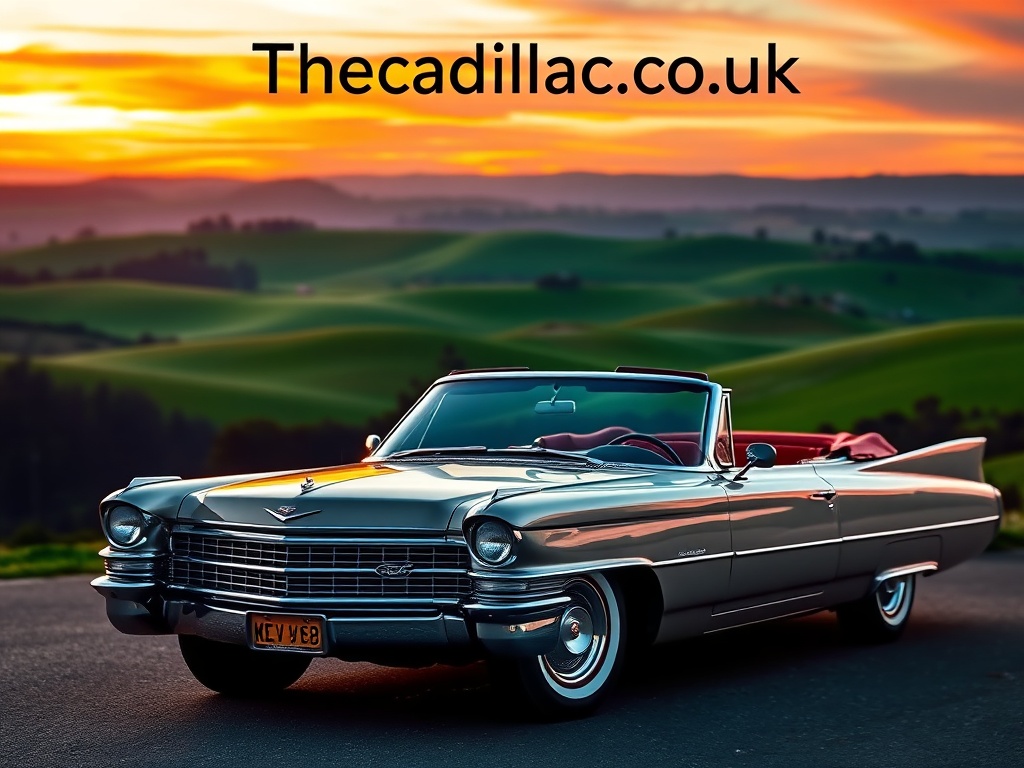
The 1950 Cadillac is an iconic American luxury car known for its sleek design, powerful V8 engine, and advanced features for its time. Restoring one requires careful attention to original parts, bodywork, and mechanical systems. Enthusiasts value this model for its craftsmanship, timeless style, and collectible status, making it a prized possession in classic car collections.
The 1950 Cadillac remains a symbol of American automotive excellence, blending style, performance, and innovation. This article explores its history, design features, engine specifications, and restoration tips. From understanding its unique craftsmanship to maintaining its value, readers will gain a comprehensive insight into why this model continues to captivate collectors. Whether you’re a classic car enthusiast or a potential buyer, this guide provides actionable knowledge to enjoy, preserve, and showcase a 1950 Cadillac.
A Brief History of the 1950 Cadillac and Its Impact on Automotive Design
The 1950 Cadillac represented a major leap in luxury car design following World War II. Cadillac introduced smoother lines, enhanced interiors, and a more powerful V8 engine that set new performance standards. Its unique styling, including a longer hood and tailfins, influenced the automotive industry for decades. Cadillac’s focus on comfort, advanced engineering, and elegant aesthetics ensured that this model became a status symbol, attracting buyers who valued sophistication and innovation. Understanding its historical context provides insight into why the 1950 Cadillac remains a sought-after classic.
Distinctive Exterior Styling That Defined the 1950 Cadillac
Cadillac’s 1950 model is instantly recognizable for its sleek curves, chrome accents, and bold grille design. The vehicle’s elongated body, signature tailfins, and panoramic windshield were revolutionary at the time, combining elegance with aerodynamic influence. Exterior colors offered by Cadillac ranged from classic black to subtle pastels, allowing owners to express individuality. These design elements not only made the car visually appealing but also enhanced its collector value. Restorers often prioritize original paint and trim to maintain authenticity and historical significance.
Interior Features and Comfort Innovations of the 1950 Cadillac
Inside the 1950 Cadillac, luxury was evident in every detail, from plush upholstery to advanced dashboard layouts. Leather seats, soft carpeting, and woodgrain accents created an opulent driving experience. Cadillac introduced features such as power windows and radios, which were groundbreaking for the era. Attention to passenger comfort was a priority, making long drives enjoyable and stylish. Restoring the interior requires careful sourcing of original materials to preserve authenticity, ensuring that modern replacements do not compromise its historical charm.
Understanding the Engine and Performance of the 1950 Cadillac
The 1950 Cadillac came equipped with a 331-cubic-inch V8 engine, producing impressive horsepower and smooth acceleration for its time. Its robust engineering allowed reliable long-distance driving while maintaining a quiet, comfortable ride. The vehicle featured advanced suspension systems that enhanced stability and handling. Restoring or maintaining the engine requires precision and knowledge of period-specific mechanical systems, as modern components may not fit seamlessly. This powerful engine remains a key reason enthusiasts value the 1950 Cadillac for both performance and collector appeal.
The Role of Cadillac in Post-War American Culture
After World War II, Cadillac became a symbol of American success and prosperity. Owning a 1950 Cadillac reflected status, wealth, and refinement. Its presence in films, advertisements, and popular culture reinforced its reputation as a luxurious and aspirational vehicle. Collectors today seek this model not only for its mechanical excellence but also for its cultural significance. Understanding the societal context helps restorers and enthusiasts appreciate the 1950 Cadillac beyond its physical features, highlighting its influence on automotive history.
Common Challenges When Restoring a 1950 Cadillac
Restoring a 1950 Cadillac can be complex due to limited availability of original parts, age-related wear, and outdated technologies. Body rust, engine wear, and interior deterioration are common issues. Sourcing authentic components requires patience and knowledge of reputable suppliers. Attention to detail is crucial, as minor deviations can reduce value. Many enthusiasts recommend thorough documentation and professional inspections to guide restoration projects, ensuring that every aspect aligns with the original specifications and maintains collector integrity.
Tips for Maintaining the Exterior Finish and Chrome Accents
Preserving the 1950 Cadillac’s exterior requires regular care, including polishing chrome, waxing paint, and addressing minor scratches promptly. Original chrome and trim pieces add significant value, so restorers often source replacement parts from specialized suppliers. Proper storage is equally important to prevent rust and fading caused by sunlight or humidity. Regular inspections can help identify early signs of damage, ensuring the car remains visually striking. Maintaining the exterior finish enhances both aesthetic appeal and long-term investment potential.
Preserving the Authentic Interior for Collector Value
Maintaining the interior involves careful attention to leather, wood, and fabric components. Restoration should aim to preserve original colors, patterns, and textures. Cleaning should use gentle, period-appropriate products to prevent damage. Replacing worn materials requires sourcing authentic parts, as aftermarket options may diminish value. Proper care enhances comfort and ensures that the 1950 Cadillac retains its historical significance. Interior preservation is as crucial as mechanical restoration for achieving a fully authentic classic car experience.
Also read this: New GMC 2026 Models, Features, Performance, Pricing, and Design Guide
Electrical Systems and Modern Upgrades Considerations
The 1950 Cadillac’s electrical system was innovative for its era but can be fragile due to age. Wiring, lighting, and radio components often need inspection or replacement. Some owners opt for discreet modern upgrades like improved lighting or battery systems while maintaining visual authenticity. Balancing modern reliability with original design requires careful planning. Proper electrical restoration ensures safety and functionality, allowing the car to be driven confidently while retaining classic charm.
Understanding the Market Value of a 1950 Cadillac Today
The value of a 1950 Cadillac depends on condition, originality, and rarity. Well-preserved or professionally restored examples command high prices at auctions and private sales. Market trends fluctuate based on collector interest and historical significance. Vehicles with original parts, minimal modifications, and detailed documentation are especially desirable. Evaluating a car’s value involves assessing mechanical integrity, cosmetic condition, and provenance. Understanding market factors helps buyers make informed decisions and ensures they invest in a collectible asset with long-term appreciation potential.
Tips for Safe Driving and Handling of Classic Cadillacs
Driving a 1950 Cadillac requires awareness of its weight, size, and vintage braking systems. Smooth acceleration, careful cornering, and cautious parking preserve both safety and the car’s condition. Owners should familiarize themselves with older steering and suspension behavior, which differs from modern vehicles. Regular mechanical inspections and maintenance of brakes, tires, and steering components enhance safety. Safe handling ensures the car’s longevity while allowing owners to enjoy its performance and comfort without risk of damage or accidents.
Storage and Climate Control for Long-Term Preservation
Proper storage is essential to maintain the 1950 Cadillac’s integrity. Climate-controlled environments prevent rust, fading, and leather cracking. Covering the car with breathable materials protects it from dust and scratches. Long-term storage requires battery maintenance, tire rotation, and periodic engine checks. Protecting the vehicle from moisture, sunlight, and temperature fluctuations significantly extends its lifespan. Effective storage strategies ensure that the 1950 Cadillac remains in pristine condition, retaining both value and historical authenticity for collectors and enthusiasts.
Community and Clubs Supporting Cadillac Enthusiasts
Joining Cadillac clubs or online communities provides valuable resources for restoration, maintenance, and networking. Enthusiasts share knowledge about sourcing parts, mechanical tips, and historical research. Car shows and meets offer opportunities to display vehicles and learn from other collectors. Engaging with a community ensures access to expert advice and fosters appreciation for classic car culture. Being part of a Cadillac-focused group enhances the ownership experience and provides ongoing support for preserving these historic automobiles.
Insurance Considerations for Classic Vehicles Like the 1950 Cadillac
Insuring a 1950 Cadillac requires specialized classic car insurance that accounts for value, usage, and restoration quality. Policies often cover agreed value, spare parts, and limited mileage. Maintaining accurate documentation and photos helps determine coverage. Insurance protects against accidents, theft, and damage, which is vital for high-value classic cars. Choosing the right policy ensures peace of mind while preserving the financial investment in a rare and historically significant vehicle.
Conclusion: Why the 1950 Cadillac Remains a Timeless Classic
The 1950 Cadillac continues to captivate collectors and enthusiasts due to its unique design, luxury features, and cultural significance. Proper restoration, maintenance, and care ensure that it remains both visually stunning and mechanically sound. Its historical value, combined with rarity and timeless elegance, makes it a prized possession. For anyone passionate about classic American cars, the 1950 Cadillac represents the perfect blend of style, performance, and heritage, cementing its place as an enduring automotive icon.
FAQs (People Also Ask)
1. What makes the 1950 Cadillac so special?
The 1950 Cadillac is celebrated for its stylish design, advanced features, and powerful V8 engine, representing luxury and status in post-war America.
2. How difficult is it to restore a 1950 Cadillac?
Restoration can be complex due to rare parts and age-related wear, requiring patience, expertise, and sourcing authentic components.
3. What engine did the 1950 Cadillac have?
It featured a 331-cubic-inch V8 engine known for smooth performance and reliable long-distance driving.
4. How should I store a 1950 Cadillac?
Store it in a climate-controlled environment, cover it with breathable material, and maintain battery and tires periodically.
5. Is the 1950 Cadillac valuable today?
Yes, well-preserved or restored models are highly sought after, with value influenced by originality, condition, and documentation.
6. Can I drive a 1950 Cadillac safely today?
Yes, but drivers should account for its size, weight, and vintage braking system, driving carefully to preserve condition.
7. Are there clubs for 1950 Cadillac enthusiasts?
Yes, Cadillac clubs and online communities provide restoration tips, parts sourcing, and opportunities to showcase vehicles at events.
Fore more info: Thecadillac.co.uk
