
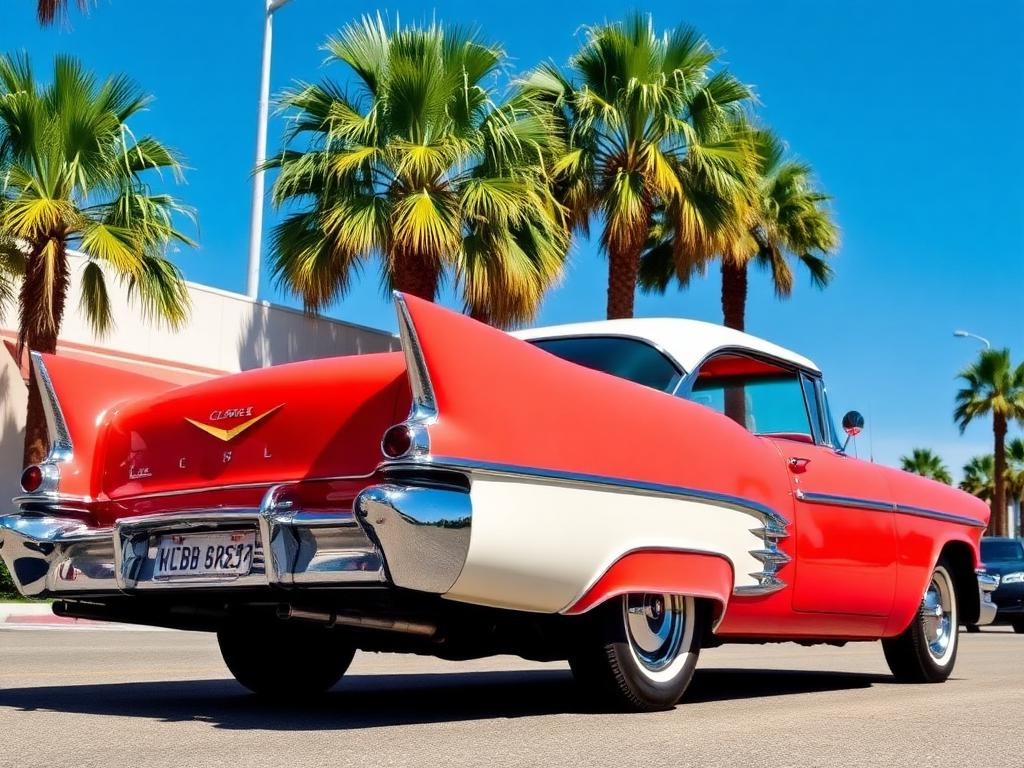
Cadillac Bel Air is commonly used to describe a luxurious, classic American car style inspired by 1950s design, often associated with chrome detailing, tailfins, and premium comfort. While Cadillac and Bel Air were separate General Motors brands, the term blends Cadillac luxury with the iconic Chevrolet Bel Air look, symbolizing vintage elegance, collector appeal, and timeless automotive craftsmanship.
The phrase cadillac bel air reflects a fascinating mix of American automotive heritage, combining Cadillac’s reputation for luxury with the timeless style of the Bel Air era. Car enthusiasts often use this term to describe classic vehicles that feature bold chrome accents, tailfins, wide grilles, and powerful V8 engines.
This guide explores its historical background, design identity, performance legacy, collector value, restoration insights, and market trends. Whether you’re a classic car enthusiast, a buyer, or simply curious about vintage American automobiles, this in-depth article provides everything you need to understand its cultural and automotive significance.
The Historical Origins Behind Cadillac and Bel Air Branding Legacy
The American automotive industry experienced massive growth during the 1950s, creating icons that defined luxury and style. Cadillac emerged as a symbol of prestige, innovation, and engineering excellence. At the same time, Chevrolet introduced the Bel Air as a stylish, affordable full-size car aimed at middle-class families. Though they were separate models under General Motors, enthusiasts often connect them due to their shared era, bold designs, and unmistakable presence on American roads during the golden age of automobiles.
Design Language That Defined the 1950s American Luxury Era
The 1950s brought dramatic automotive styling influenced by aviation and futuristic optimism. Large chrome bumpers, sweeping tailfins, wraparound windshields, and two-tone paint schemes became defining characteristics. Interiors featured plush bench seating, wide dashboards, and decorative trim. The visual drama of these cars reflected post-war prosperity and technological confidence. This era’s design language continues to inspire restorations and custom builds that capture the essence of classic American motoring elegance and bold expression.
Engineering Excellence and Powerful V8 Performance Standards
Under the hood, vehicles from this period delivered impressive power through robust V8 engines. Cadillac was known for smooth acceleration and refined performance, while Chevrolet models emphasized dependable strength and affordability. Automatic transmissions became more common, enhancing driving comfort. Suspension systems improved ride quality, allowing long highway journeys with minimal discomfort. These engineering advancements helped shape consumer expectations for power, reliability, and luxury in American automobiles for decades to come.
Cultural Impact on American Society and Automotive Identity
Classic cars from this era symbolized freedom, prosperity, and the open road. They appeared in Hollywood films, music videos, and advertising campaigns, reinforcing their aspirational appeal. Families associated them with road trips and suburban growth. For many Americans, these vehicles represented achievement and personal success. Even today, car shows and vintage events celebrate these models, preserving their cultural significance and strengthening their connection to nostalgia and mid-century optimism.
Distinguishing Between Cadillac and Chevrolet Bel Air Models
Despite the blended phrase cadillac bel air, Cadillac and Chevrolet produced separate vehicles with different price ranges and target audiences. Cadillac positioned itself as a premium luxury brand offering advanced technology and upscale craftsmanship. Chevrolet’s Bel Air was more affordable but still stylish and reliable. Understanding this distinction is essential for buyers and collectors, as originality, branding, and production details significantly impact authenticity and long-term market value.
Interior Comfort, Luxury Features, and Craftsmanship Details
Interiors in luxury American classics emphasized comfort and spaciousness. Soft upholstery materials, chrome-accented dashboards, and large steering wheels created a commanding driving experience. Advanced features for the time included power windows, power steering, and high-quality sound systems. Attention to craftsmanship extended to stitching, trim alignment, and material selection. These elements reinforced a sense of refinement that continues to attract collectors seeking both aesthetic appeal and historical authenticity.
Also read this: 2024 Cadillac SUV Ultimate Luxury Performance Features And Buying Guide
Restoration Challenges and Authentic Parts Availability Today
Restoring a vintage American classic requires patience, research, and financial planning. Finding authentic parts can be challenging due to limited availability and high demand. Enthusiasts often rely on specialty suppliers and collector networks. Bodywork restoration may involve addressing rust, repainting original color schemes, and rebuilding chrome trim. Mechanical components such as engines and transmissions must also be carefully inspected. Proper restoration enhances long-term value while preserving historical accuracy and design integrity.
Market Value Trends and Collector Investment Potential
Classic car values fluctuate based on rarity, originality, and overall condition. Well-maintained examples with documented history typically command higher prices. Auction houses and private sales reveal growing international interest in 1950s American automobiles. Limited production variants and professionally restored models often appreciate steadily. However, buyers should conduct thorough inspections and research before investing. Market trends indicate that nostalgia and cultural significance continue driving sustained demand among collectors worldwide.
Popular Customization and Lowrider Culture Influence
Custom car culture embraced the bold styling of 1950s American vehicles. Enthusiasts introduced hydraulic suspension systems, intricate paintwork, and unique interior modifications. Lowrider communities particularly favored large, chrome-heavy models due to their dramatic visual presence. These custom builds celebrate creativity and personal expression while honoring original design foundations. Though modifications can reduce collector originality, they enhance cultural value within specific enthusiast communities and contribute to ongoing automotive artistry.
Maintenance Considerations for Long-Term Ownership Satisfaction
Owning a classic American vehicle requires consistent maintenance and preventive care. Regular engine tuning, fluid changes, and brake inspections help preserve reliability. Older electrical systems may need upgrades to improve safety and performance. Climate-controlled storage protects paint and interior materials from deterioration. Insurance tailored to classic vehicles is also essential. With proper care, these cars can remain roadworthy and visually stunning for decades, offering both driving enjoyment and historical pride.
Differences Between Original Factory Models and Modern Replicas
Original factory models carry greater historical significance and higher collector value compared to replicas. Authentic documentation, matching engine numbers, and factory specifications are crucial for verification. Modern replicas often replicate exterior styling but lack original craftsmanship details. Buyers must carefully evaluate authenticity before purchasing. Professional appraisals and vehicle history checks provide clarity. Understanding these differences ensures informed decisions and protects against potential financial and historical misrepresentation.
Influence on Modern Automotive Design and Retro Trends
Automotive designers frequently revisit mid-century styling themes for inspiration. Modern vehicles sometimes incorporate subtle nods to classic tailfins, chrome accents, and bold grille patterns. Retro-inspired models celebrate heritage while integrating contemporary technology. This influence demonstrates the lasting impact of American 1950s automotive design. The aesthetic balance between nostalgia and innovation continues shaping industry trends and consumer preferences across global markets.
Buying Guide Insights for First-Time Classic Car Enthusiasts
First-time buyers should prioritize research and expert consultation. Evaluating structural integrity, engine condition, and restoration quality is essential. Documentation such as service history and ownership records adds credibility. Budget planning must account for maintenance and potential repairs. Enthusiast clubs and community forums provide valuable support and advice. Entering the classic car market with knowledge and patience increases the likelihood of securing a rewarding and financially sound purchase.
Why Cadillac Bel Air Remains a Timeless Symbol of Luxury
The phrase cadillac bel air captures the imagination because it blends two powerful automotive identities from a transformative era. It symbolizes chrome-lined optimism, powerful engines, and luxurious comfort. Even decades later, collectors and enthusiasts celebrate its aesthetic appeal and cultural resonance. The continued admiration for mid-century American design ensures lasting recognition within automotive history and reinforces its position as a timeless representation of style and sophistication.
Conclusion: Preserving the Legacy of Cadillac Bel Air Heritage
The cadillac bel air concept represents a unique blend of luxury, style, and historical significance rooted in 1950s America. From bold exterior design and powerful engineering to cultural impact and collector value, its influence remains undeniable. Whether restored to factory originality or customized for artistic expression, it continues inspiring enthusiasts worldwide. Preserving these vehicles safeguards an important chapter in automotive history while keeping the spirit of classic American motoring alive for future generations.
FAQs
What is Cadillac Bel Air?
It is a blended term combining Cadillac luxury with the classic styling era of the Chevrolet Bel Air, symbolizing 1950s American automotive elegance.
Was there an official Cadillac Bel Air model?
No, Cadillac and Chevrolet Bel Air were separate models under General Motors, though they shared the same historical era.
Why is it popular among collectors?
Its association with 1950s design, chrome detailing, and cultural nostalgia makes it highly desirable in classic car markets.
How much does a restored model cost?
Prices vary depending on condition, originality, and rarity, often ranging from moderate collector prices to premium auction valuations.
Is it a good investment vehicle?
Well-maintained and authentic classic cars from this era can appreciate steadily, especially those with documented history.
Are parts still available for restoration?
Yes, specialty suppliers and enthusiast communities help source reproduction and original components.
What makes 1950s American cars unique?
Distinctive tailfins, powerful V8 engines, bold chrome styling, and spacious interiors define their enduring appeal.
Fore more info: Thecadillac.co.uk
