
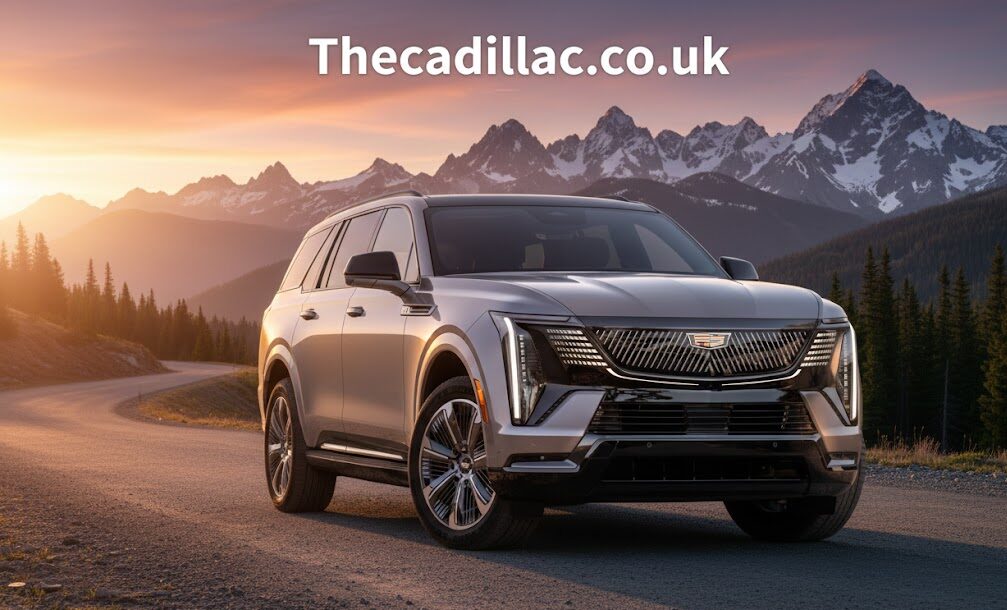
The Cadillac Escalade IQL is an advanced luxury electric SUV concept that blends premium comfort, long-range electric performance, and cutting-edge digital technology. Designed to expand Cadillac’s electric lineup, it focuses on spacious interiors, high-efficiency powertrains, and intelligent driver assistance. This model represents the brand’s shift toward sustainable mobility while maintaining the bold styling and prestige associated with the Escalade name.
Luxury electric SUVs are transforming how drivers experience performance, comfort, and sustainability, and this upcoming model reflects that evolution. With futuristic styling, refined cabin technology, and a focus on quiet electric driving, it aims to redefine expectations in the premium full-size segment. Buyers interested in innovation, long driving range, and advanced safety will find its direction especially compelling.
This guide explains design philosophy, performance potential, interior technology, charging capability, and overall market impact in clear, practical language so readers understand why this vehicle is generating strong attention among luxury SUV enthusiasts worldwide.
Expanding the Vision of Modern Electric Luxury in Full-Size SUVs
The emergence of large electric luxury vehicles signals a major shift in automotive priorities, combining sustainability with premium comfort. This new direction highlights refined engineering, silent performance, and sophisticated digital integration designed for modern lifestyles. Manufacturers are focusing on spacious architecture, improved aerodynamics, and efficient battery systems to ensure long-distance usability. In this evolving landscape, innovation is measured not only by speed or power but also by intelligence, connectivity, and environmental responsibility that elevate the everyday driving experience.
Exterior Styling Language That Reflects Bold Presence and Aerodynamic Efficiency
Contemporary luxury SUVs balance commanding road presence with smooth airflow management, creating designs that look powerful yet efficient. Sculpted body panels, signature lighting elements, and carefully proportioned silhouettes contribute to both beauty and performance. Designers emphasize clean lines and illuminated branding to communicate futuristic identity without losing heritage influence. Attention to wheel design, roofline contouring, and front fascia detailing ensures the vehicle remains visually dominant while quietly improving energy efficiency through reduced drag and optimized structural balance.
Interior Comfort Crafted Around Space, Technology, and Premium Materials
Inside the cabin, modern luxury focuses on calm environments shaped by high-quality materials and intuitive digital interfaces. Soft surfaces, ambient lighting, and panoramic displays work together to create a lounge-like atmosphere suitable for long journeys. Seating ergonomics prioritize posture support and adjustability, while advanced climate systems maintain personalized comfort. Sound insulation techniques reduce road noise, allowing occupants to experience near-silent travel that enhances relaxation and highlights the benefits of electric propulsion in everyday driving situations.
Digital Cockpit Innovation and Seamless Connectivity for Modern Drivers
Technology now defines luxury just as much as craftsmanship, leading to expansive digital dashboards and responsive infotainment ecosystems. Large high-resolution displays integrate navigation, entertainment, and vehicle controls into a unified interface that feels natural to operate. Wireless connectivity, voice interaction, and cloud-based personalization allow drivers to access familiar settings instantly. Continuous software updates ensure features remain current, transforming the vehicle into a long-term technology platform rather than a static mechanical product tied only to its original release.
Electric Powertrain Engineering Focused on Smooth Performance and Efficiency
Electric propulsion systems deliver immediate torque, smooth acceleration, and reduced mechanical vibration compared with traditional engines. Engineers refine motor output, battery cooling, and regenerative braking to balance performance with efficiency. Energy management software constantly optimizes power delivery based on driving conditions, helping extend usable range. This approach provides confident highway cruising, responsive urban maneuvering, and dependable long-distance capability that supports daily commuting as well as extended travel without compromising refinement or comfort.
Driving Range Expectations and Charging Convenience in Real-World Use
Long-distance usability remains central to electric vehicle adoption, encouraging improvements in battery capacity and charging speed. Fast-charging compatibility enables meaningful energy recovery during short stops, while home charging solutions provide overnight convenience. Route planning tools estimate remaining range and identify charging stations, reducing uncertainty for drivers. Together, these features transform electric ownership into a predictable routine rather than a logistical challenge, making large luxury EVs practical for families, professionals, and frequent travelers alike.
Advanced Driver Assistance and Safety Intelligence Enhancing Confidence
Safety innovation now combines sensors, cameras, and intelligent software to monitor surroundings and assist driver decision-making. Features such as adaptive cruise behavior, lane guidance, and collision awareness contribute to reduced fatigue and improved situational awareness. Structural engineering and energy-absorbing materials further protect occupants during unexpected events. Continuous system refinement through software updates ensures evolving safety performance, demonstrating how digital intelligence increasingly shapes vehicle protection alongside traditional mechanical design principles.
Also read this: Cadillac Build and Price Guide: Customize Luxury Models with Confidence
Sustainable Manufacturing and Environmental Responsibility in Luxury Mobility
Premium vehicles are increasingly evaluated by how responsibly they are produced as well as how they perform. Manufacturers are incorporating recycled materials, renewable energy in production, and efficient supply chains to reduce environmental impact. Battery technology development also focuses on longevity and recyclability. These efforts show that sustainability and luxury are no longer opposing ideas but complementary goals, allowing drivers to enjoy comfort and prestige while supporting broader environmental progress.
Market Positioning Within the Competitive Full-Size Electric SUV Segment
The full-size electric SUV category is becoming highly competitive as major brands introduce flagship models. Differentiation now depends on technology ecosystems, interior refinement, driving range, and brand heritage. Pricing strategies and ownership experience also influence buyer decisions. Within this landscape, the cadillac escalade iql concept signals a commitment to leadership through innovation, aiming to attract customers who expect both traditional prestige and forward-thinking electric capability in a single cohesive package.
Passenger Experience Designed for Long Journeys and Everyday Convenience
Comfort during extended travel requires thoughtful seating geometry, quiet acoustics, and accessible storage solutions. Rear passengers benefit from generous legroom, entertainment displays, and climate personalization that mirror front-seat luxury. Smooth electric acceleration reduces motion discomfort, while stable suspension tuning supports relaxed highway cruising. These combined qualities transform routine transportation into a refined travel environment suitable for families, executives, and anyone seeking calm mobility in demanding daily schedules.
Infotainment Ecosystem, Software Updates, and Smart Personalization Features
Software-driven vehicles allow owners to receive improvements long after purchase, extending functionality over time. Personalized driver profiles store seating, lighting, and media preferences for seamless transitions between users. Integrated streaming services, navigation intelligence, and smartphone synchronization create a familiar digital environment. As connectivity continues evolving, vehicles become interactive companions capable of adapting to lifestyle changes, reinforcing the importance of software architecture in modern automotive design.
Towing Capability, Utility, and Practical Strength in Electric Architecture
Large SUVs must balance luxury with real-world usefulness, including cargo flexibility and towing strength. Electric torque delivery can support confident hauling when paired with reinforced chassis engineering and thermal management systems. Adjustable suspension and drive-mode customization help maintain stability under varying loads. These functional characteristics ensure the vehicle remains practical for travel, recreation, and professional needs, proving that electrification does not eliminate the versatility expected from full-size utility vehicles.
Ownership Costs, Maintenance Expectations, and Long-Term Value Considerations
Electric vehicles often reduce routine maintenance due to fewer moving mechanical components. Energy costs, warranty coverage, and battery durability influence long-term affordability. Resale value increasingly depends on software relevance and charging infrastructure growth. Buyers evaluating the cadillac escalade iql will likely consider total ownership experience alongside luxury appeal, reflecting a broader shift toward value measured across years of use rather than only initial purchase price.
Future Outlook for Premium Electric SUVs and Brand Innovation Direction
Automotive development continues accelerating toward electrification, autonomy, and connected ecosystems. Future luxury SUVs will likely feature improved energy density, faster charging, and deeper digital integration. Design language may become more minimalist while interior experiences grow increasingly immersive. The cadillac escalade iql direction illustrates how heritage brands reinterpret identity for an electric era, blending recognizable prestige with forward-looking technology that defines the next generation of premium mobility.
Conclusion Summarizing Design, Technology, and Electric Luxury Evolution
The transition to electric luxury SUVs represents more than a powertrain change; it reflects a comprehensive rethinking of comfort, intelligence, and sustainability. From aerodynamic styling and quiet interiors to advanced safety and connected software, every element contributes to a refined driving experience. This model’s concept demonstrates how tradition and innovation can coexist, offering a glimpse into the future of full-size premium transportation shaped by efficiency, technology, and evolving consumer expectations.
FAQs
What is the main purpose of this electric luxury SUV concept?
It showcases future design, advanced technology, and sustainable performance for full-size premium mobility.
Is it focused more on comfort or performance?
It balances both, delivering smooth electric acceleration alongside high-end interior refinement.
How important is driving range for buyers?
Range strongly influences usability, especially for long travel and daily convenience.
Will software updates change features over time?
Yes, modern vehicles often receive updates that enhance functionality and user experience.
Does electrification reduce maintenance needs?
Electric systems typically require less routine servicing than traditional engines.
Who is the ideal customer for this type of SUV?
Drivers seeking luxury, technology, space, and environmentally conscious performance.
Why is this model gaining attention in the automotive world?
Because it represents the future direction of premium electric SUVs with strong innovation focus.
Fore more info: Thecadillac.co.uk
