
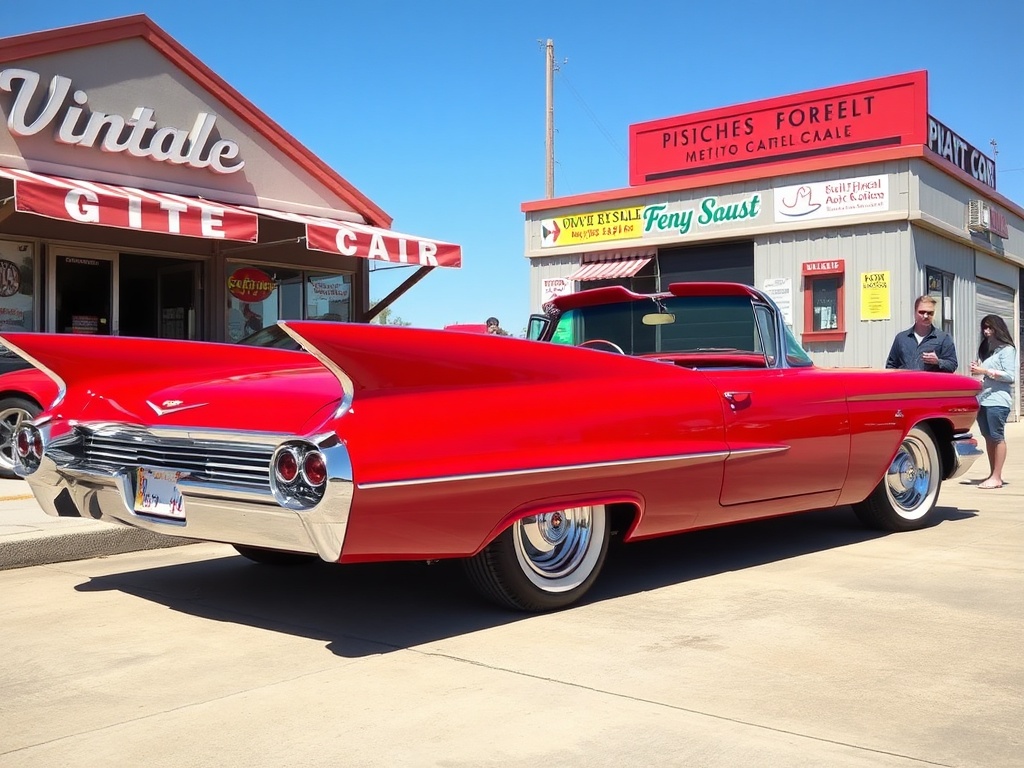
A 1959 Cadillac for sale typically refers to one of the most iconic American luxury cars ever produced, known for its dramatic tailfins, powerful V8 engine, and premium styling. Prices range widely depending on model, originality, and restoration quality. Buyers should verify authenticity, inspect mechanical condition, and review documentation before purchasing to ensure long-term value and collectibility.
The 1959 Cadillac represents a golden era of American automotive design, combining bold styling with advanced engineering for its time. From the legendary tailfins to the smooth V8 performance, this model continues to attract collectors and investors worldwide. Whether you’re seeking a fully restored showpiece or a project vehicle, understanding pricing trends, model variations, restoration standards, and investment potential is essential. This guide explores every aspect of buying, owning, and evaluating this classic icon. By the end, you’ll know how to make a confident purchase and avoid costly mistakes in the vintage car market.
The Legendary Design Legacy That Made the 1959 Cadillac a Cultural Icon
The 1959 Cadillac stands as one of the most recognizable cars ever built in automotive history. Its dramatic rear tailfins, inspired by jet-age aviation styling, pushed design boundaries to their absolute limits. Chrome detailing, dual bullet-style taillights, and expansive body lines created an unmistakable road presence. This model symbolized prosperity, ambition, and post-war American confidence. Even today, collectors admire its bold personality and artistic craftsmanship. The design was not subtle, yet it perfectly captured the optimism of the late 1950s. Owning one means possessing a true automotive sculpture that transcends generations.
Understanding Why Collectors Actively Search for a 1959 Cadillac for Sale
When enthusiasts search for a 1959 Cadillac for sale, they are usually seeking more than transportation. They are pursuing heritage, prestige, and long-term investment value. This model represents the peak of Cadillac’s flamboyant styling era before design trends shifted in the 1960s. Limited surviving examples, especially in excellent condition, continue to drive demand upward. Classic car auctions frequently highlight these vehicles due to their historical importance. Buyers appreciate the combination of American engineering strength and luxury refinement. The emotional appeal, combined with growing rarity, keeps this car consistently desirable in collector markets worldwide.
Engine Performance and Mechanical Specifications That Defined an Era
Under the hood, the 1959 Cadillac featured a powerful 390 cubic-inch V8 engine. Producing approximately 325 horsepower, it delivered smooth yet commanding performance for its time. Paired with Hydra-Matic automatic transmission, the driving experience felt effortless and refined. Power steering and power brakes enhanced comfort, making it a technological marvel of its era. Although not built for speed in modern terms, its torque and cruising capability remain impressive. Today’s buyers should carefully inspect engine originality and rebuild quality. Properly maintained examples still provide a surprisingly comfortable and enjoyable driving experience.
Exploring the Different Body Styles and Model Variations Available
The 1959 lineup included several body styles such as the Coupe de Ville, Sedan de Ville, Series 62, and the prestigious Eldorado. Each variation offered different trim levels and luxury features. The Eldorado models often command higher prices due to exclusivity and premium finishes. Convertibles are particularly sought after because of limited production numbers. Interior materials ranged from fine leather to elegant patterned fabrics. Understanding model distinctions is essential when evaluating price differences. Authentic badges, trim details, and production codes can significantly influence valuation and desirability in the collector marketplace.
Current Market Value Trends and What Influences Pricing Today
Market value depends heavily on originality, restoration quality, and documentation history. Fully restored show-quality vehicles can command premium prices at international auctions. Project cars, while more affordable, require substantial investment in parts and labor. Color combinations and rare factory options may also increase value. Economic trends and collector demand influence overall pricing fluctuations. Vehicles with matching numbers and verified authenticity are especially valuable. Buyers should review comparable sales to determine fair market value. Consulting classic car valuation experts can also provide clarity before finalizing a purchase decision.
Restoration Standards and What Separates a Show Car from a Project
Restoration quality plays a critical role in determining investment potential. A professionally restored vehicle will feature period-correct parts, accurate paint finishes, and carefully refurbished interiors. Poor-quality restorations may hide rust or mechanical issues beneath cosmetic upgrades. Buyers should inspect chassis integrity, suspension components, and electrical systems thoroughly. Documentation of restoration work increases confidence in the purchase. Original chrome and trim pieces are often expensive to replace. A detailed inspection ensures the vehicle meets expectations. The difference between a true show car and a casual restoration can significantly affect resale value.
Also read this: 1957 Cadillac Eldorado Luxury Design Power and Iconic American Legacy
Authenticity Verification and Documentation That Protects Your Investment
Authenticity is essential when investing in a classic Cadillac. Buyers should verify VIN numbers, engine stamps, and factory build plates. Matching numbers significantly improve collector appeal. Original sales invoices, ownership records, and restoration receipts add credibility. Vehicles with traceable histories typically achieve stronger resale results. Counterfeit badges or reproduction parts can reduce authenticity value. Professional appraisals help confirm originality. Taking time to review paperwork carefully prevents costly mistakes. Proper documentation transforms a beautiful classic into a reliable long-term asset with measurable historical value.
Ownership Costs, Maintenance Realities, and Storage Considerations
Owning a vintage luxury vehicle requires realistic budgeting. Fuel consumption is higher than modern cars due to the large V8 engine. Replacement parts may require sourcing from specialty suppliers. Regular maintenance ensures mechanical reliability and prevents deterioration. Climate-controlled storage protects paint and interior materials from damage. Insurance policies for classic vehicles are often specialized but affordable. Understanding these costs prepares buyers for responsible ownership. With proper care, the vehicle can maintain both functionality and visual appeal. Long-term preservation ultimately protects both sentimental and financial investment.
Driving Experience and Road Presence in Modern Traffic Conditions
Driving a 1959 Cadillac today feels like stepping into a different era. The spacious cabin and soft suspension provide a smooth, floating ride quality. Modern traffic moves faster, yet the Cadillac commands attention wherever it travels. Its large size requires careful maneuvering and parking awareness. Power steering assists with handling despite its dimensions. Enthusiasts often describe the experience as relaxed and majestic. It is not about speed but presence and comfort. For many owners, weekend cruises and classic car shows become cherished traditions celebrating automotive history.
Investment Potential and Long-Term Appreciation Outlook
Classic American vehicles have shown steady appreciation over time. The 1959 model holds a unique place in automotive culture, supporting long-term demand. Limited surviving examples and increasing restoration costs create upward price pressure. Investors often view iconic designs as safer collectible assets. However, market fluctuations still require careful research. Buying at fair value and preserving originality improves appreciation prospects. Historical auction data indicates stable interest across decades. While not guaranteed, strategic ownership can result in both enjoyment and financial growth for dedicated collectors.
How to Inspect a Vehicle Before Finalizing a Purchase
A comprehensive inspection should include underbody rust evaluation and frame alignment checks. Examine door gaps and panel consistency for accident history. Test electrical systems, gauges, and lighting components thoroughly. Listen for unusual engine noises during startup and idle. Inspect transmission shifting performance during a test drive. Review cooling system condition to prevent overheating issues. Interior wear should match claimed mileage. Professional inspections provide added security. Taking these steps ensures confidence when negotiating purchase price and prevents unexpected restoration expenses after acquisition.
Common Mistakes First-Time Classic Car Buyers Should Avoid
Many first-time buyers focus heavily on exterior appearance while ignoring mechanical condition. Cosmetic shine does not guarantee structural integrity. Skipping documentation review may result in authenticity disputes. Underestimating restoration costs often leads to financial strain. Rushing into purchase decisions without comparing multiple vehicles can limit negotiation leverage. Emotional buying sometimes overrides rational evaluation. Seeking expert guidance reduces risk significantly. Understanding market conditions before committing strengthens purchasing power. Avoiding these common mistakes helps ensure a satisfying ownership experience rather than unexpected challenges.
Global Collector Demand and Cultural Significance Worldwide
The 1959 Cadillac enjoys international recognition beyond the United States. Collectors in Europe, Asia, and the Middle East actively pursue well-preserved examples. Hollywood films, music videos, and art exhibitions have reinforced its iconic status. The vehicle symbolizes mid-century American luxury and design freedom. Cultural nostalgia drives demand among multiple generations. Classic car exhibitions frequently highlight this model as a centerpiece attraction. Its dramatic aesthetic continues to inspire designers globally. Worldwide admiration ensures sustained interest in this timeless automotive masterpiece.
Where Enthusiasts Typically Search for Rare Classic Vehicles
Buyers commonly explore specialty dealerships, classic car auctions, and collector forums. Online marketplaces dedicated to vintage automobiles offer diverse inventory options. Networking within enthusiast communities often uncovers hidden opportunities. Private sales may provide negotiation flexibility. Auction houses sometimes present rare and fully restored examples. Thorough research across multiple channels increases chances of finding the right match. Patience is essential when searching for high-quality vehicles. Monitoring market listings regularly ensures timely action when a desirable example becomes available for acquisition.
Conclusion: Making a Confident Decision When Investing in Automotive History
The 1959 Cadillac represents a pinnacle of automotive design and cultural significance. Its dramatic styling, powerful V8 engine, and enduring collector appeal make it one of the most sought-after classics in the world. Whether purchasing for passion or investment, careful research, authenticity verification, and professional inspection remain essential. By understanding pricing trends, restoration standards, and ownership responsibilities, buyers can approach the market with confidence. Owning this legendary vehicle is not just about transportation. It is about preserving a remarkable chapter of automotive history for future generations.
FAQs
What makes the 1959 Cadillac so valuable today?
Its iconic tailfin design, limited surviving examples, strong collector demand, and cultural significance contribute to its high market value.
How much does a fully restored model typically cost?
Prices vary widely based on condition and model, but show-quality examples often command premium auction-level pricing.
Is it expensive to maintain this classic vehicle?
Maintenance costs are higher than modern cars due to parts sourcing and fuel consumption, but manageable with proper budgeting.
Are original parts important for resale value?
Yes, matching numbers and original components significantly increase collector desirability and long-term appreciation.
Which body style is most sought after?
Convertible and Eldorado variants typically attract higher demand due to rarity and premium features.
Can it be driven regularly in modern traffic?
Yes, but drivers should account for its large size, fuel usage, and vintage braking performance.
Is buying a project car a good investment?
It can be rewarding if restoration costs are carefully calculated, but buyers must avoid underestimating expenses.
Fore more info: Thecadillac.co.uk
