
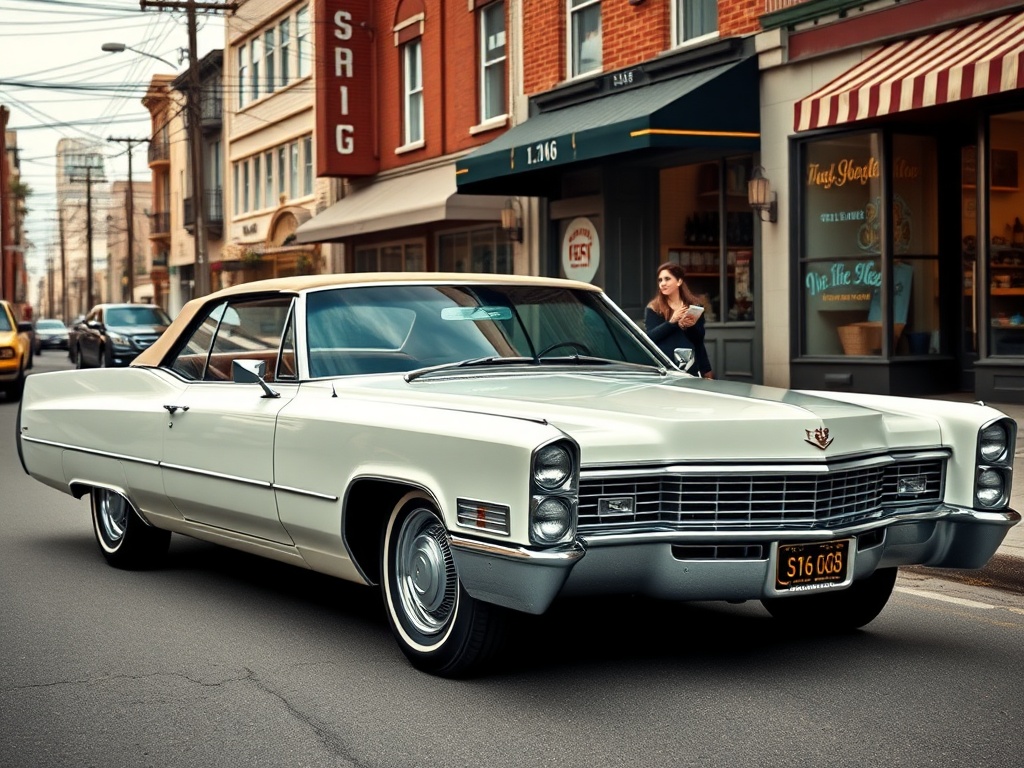
The 1967 Cadillac Coupe DeVille is a full-size American luxury car known for its bold styling, powerful 429 cubic-inch V8 engine, and premium comfort features. It represents the peak of 1960s Cadillac design, combining advanced engineering with elegant interiors. Today, it remains highly collectible among classic car enthusiasts for its timeless appeal and smooth driving experience.
The 1967 Cadillac Coupe DeVille stands as one of the most iconic luxury cars of the late 1960s. With its distinctive stacked headlights, sharp body lines, and commanding road presence, it defined American automotive elegance. Powered by a strong V8 engine and equipped with advanced features for its era, it offered unmatched comfort and prestige. This article explores its design evolution, engine specifications, interior craftsmanship, collectibility, market value, maintenance tips, and why it continues to attract classic car lovers worldwide. Whether you’re a collector or enthusiast, this guide provides deep insights into this legendary Cadillac model.
Introduction to an American Luxury Legend
The 1967 Cadillac Coupe DeVille represents a defining moment in American automotive history. Produced by Cadillac, this model reflected prestige, power, and innovation. During the late 1960s, luxury cars symbolized status, and Cadillac led the market confidently. The Coupe DeVille combined refined styling with a commanding road presence. It wasn’t just transportation; it was a statement. Buyers admired its spacious cabin, advanced engineering, and bold exterior design. Even today, it remains one of the most desirable classic American coupes among collectors worldwide.
Exterior Design and Styling Evolution
The exterior styling showcased sharp body lines, a wide grille, and vertically stacked headlights that defined Cadillac’s 1967 redesign. Chrome detailing enhanced its premium appeal, while the long hood and sweeping rear profile emphasized luxury. Designers moved away from extreme tailfins, opting for a cleaner and more modern appearance. The broad stance and substantial proportions gave it undeniable road authority. Vinyl roof options and elegant paint combinations added personalization. This styling shift marked a new era for Cadillac’s design language and influenced future luxury models.
Engine Specifications and Performance
Powerful 429 Cubic-Inch V8
Under the hood, the car featured a 429 cubic-inch V8 engine delivering impressive horsepower and torque. This powerhouse provided smooth acceleration and effortless highway cruising. Paired with an automatic transmission, the driving experience felt refined yet powerful. The engine was engineered for reliability and quiet performance, aligning with Cadillac’s luxury standards. Drivers enjoyed strong low-end torque, making city driving comfortable. Even by modern standards, its displacement remains impressive. The focus was not just speed but a balanced combination of strength and smoothness.
Driving Comfort and Suspension System
Ride quality was a major highlight of this model. Cadillac engineers designed a soft suspension system that absorbed road imperfections efficiently. The car seemed to glide over highways, creating a “floating” sensation highly praised in period reviews. Power steering and power brakes were standard, ensuring effortless handling despite its large size. The wheelbase contributed to stability, especially on long drives. Passengers experienced minimal vibration and noise. This comfort-focused engineering helped establish Cadillac’s reputation for producing some of the smoothest rides in America.
Interior Luxury and Cabin Features
Inside, the craftsmanship reflected premium standards. Plush bench seating, woodgrain accents, and high-quality materials created an upscale atmosphere. The dashboard layout was clean and functional, with easy-to-read gauges. Air conditioning, power windows, and an advanced sound system were notable features for the era. Generous legroom and headroom made long trips enjoyable. Attention to detail extended to door panels and trim finishes. The cabin environment prioritized passenger relaxation, reinforcing Cadillac’s identity as a luxury-focused brand.
Technological Innovations of 1967
For its time, this vehicle included several forward-thinking features. Safety improvements such as energy-absorbing steering columns aligned with evolving automotive standards. Improved braking systems enhanced control. Electrical components were upgraded for reliability. Cadillac continuously adapted to regulatory changes while maintaining comfort and performance. These technological refinements made the car competitive in the growing luxury segment. The 1967 model year particularly emphasized modernization without sacrificing traditional elegance.
Market Position in the Late 1960s
During the 1960s, Cadillac dominated the American luxury car market. The Coupe DeVille line was positioned as an accessible yet prestigious option within the brand’s lineup. It appealed to business professionals, celebrities, and families seeking status and comfort. Compared to competitors, Cadillac offered superior space and smoother ride quality. Its pricing reflected premium positioning but remained attainable for upper-middle-class buyers. The model strengthened Cadillac’s leadership during a golden era of American automobiles.
Also read this: 1961 Cadillac Classic Cars: Ultimate Guide to Design, Performance, and Legacy
Collectibility and Classic Car Status
Today, collectors view this vehicle as a symbol of authentic American luxury. Its distinctive styling and powerful engine increase desirability. Well-maintained examples command strong prices in the classic car market. Original parts, documentation, and factory specifications significantly influence value. Enthusiasts appreciate the combination of size, elegance, and mechanical simplicity. Restored versions often appear at car shows and auctions. The timeless design ensures continued interest among vintage automobile fans worldwide.
Current Market Value Trends
Market values vary depending on condition, mileage, and originality. Fully restored models often achieve higher resale prices compared to project cars. Demand remains stable due to nostalgic appeal and limited surviving examples. Buyers should research comparable sales before purchasing. Insurance costs for classic vehicles may differ from standard cars. Auction platforms and collector marketplaces provide insight into price trends. As interest in 1960s classics grows, values continue showing steady appreciation.
Maintenance and Ownership Tips
Owning a classic Cadillac requires proper maintenance planning. Regular engine servicing, cooling system checks, and brake inspections are essential. Replacement parts remain available through specialty suppliers. Fuel consumption is higher compared to modern vehicles, so owners should prepare accordingly. Storage in a dry, climate-controlled space prevents rust and deterioration. Joining classic car clubs can provide technical advice and support. With consistent care, this vehicle can remain reliable for decades.
Restoration Considerations
Authenticity vs Customization
When restoring, owners must decide between factory-original restoration or custom modifications. Authentic restorations often yield higher resale value. Matching paint codes, original upholstery patterns, and correct trim pieces preserve historical accuracy. However, some enthusiasts prefer upgraded audio systems or modern brakes. Balancing originality and practicality depends on personal goals. Professional restoration services ensure structural integrity and mechanical safety. Careful planning prevents overspending during the restoration process.
Comparison With Other Luxury Models
Compared to other late-1960s American coupes, Cadillac maintained a stronger emphasis on comfort. Competitors offered performance-focused alternatives, but few matched Cadillac’s refinement. Interior space and ride smoothness were standout advantages. Design language was bold yet sophisticated. The brand’s reputation for reliability further enhanced consumer trust. This competitive edge solidified its dominance in the premium segment during that era.
Cultural Influence and Legacy
This model became a cultural icon, frequently appearing in films, music videos, and vintage photography. It symbolized prosperity and American optimism. Classic car enthusiasts often associate it with the golden age of Detroit manufacturing. The vehicle’s presence in pop culture keeps its legacy alive. Its unmistakable silhouette continues inspiring automotive designers today. Nostalgia plays a significant role in maintaining its iconic status.
Why It Remains Relevant Today
Despite evolving automotive technology, classic cars retain emotional appeal. The 1967 Cadillac Coupe DeVille offers character and craftsmanship rarely found in modern vehicles. Its mechanical simplicity makes it easier to maintain compared to newer computerized systems. Enthusiasts appreciate the tactile driving experience and commanding road presence. Owning one connects drivers to automotive history. The blend of elegance and performance ensures ongoing admiration.
Conclusion
The 1967 Cadillac Coupe DeVille remains a benchmark of American luxury, performance, and design excellence. From its powerful V8 engine to its refined interior, it captures the spirit of the 1960s automotive era. Collectors value its originality, while enthusiasts admire its road presence and comfort. With proper maintenance and thoughtful restoration, this iconic coupe continues to shine in the classic car world. Its legacy as a true luxury legend endures.
FAQs
1. What engine came in the 1967 Cadillac Coupe DeVille?
It featured a 429 cubic-inch V8 engine producing strong horsepower and smooth torque delivery.
2. Is the 1967 Cadillac Coupe DeVille a good investment?
Yes, well-maintained and original models tend to appreciate steadily in the classic car market.
3. How much horsepower did it produce?
The 429 V8 engine produced approximately 340 horsepower.
4. What makes it collectible?
Its iconic design, luxury features, and historical significance increase its collector value.
5. Are parts easily available today?
Many parts are available through specialty classic car suppliers and enthusiast networks.
6. How fuel-efficient is it?
Fuel efficiency is relatively low compared to modern cars due to its large V8 engine.
7. What body style was available?
It was offered primarily as a two-door hardtop coupe within the DeVille lineup.
Fore more info: Thecadillac.co.uk
