
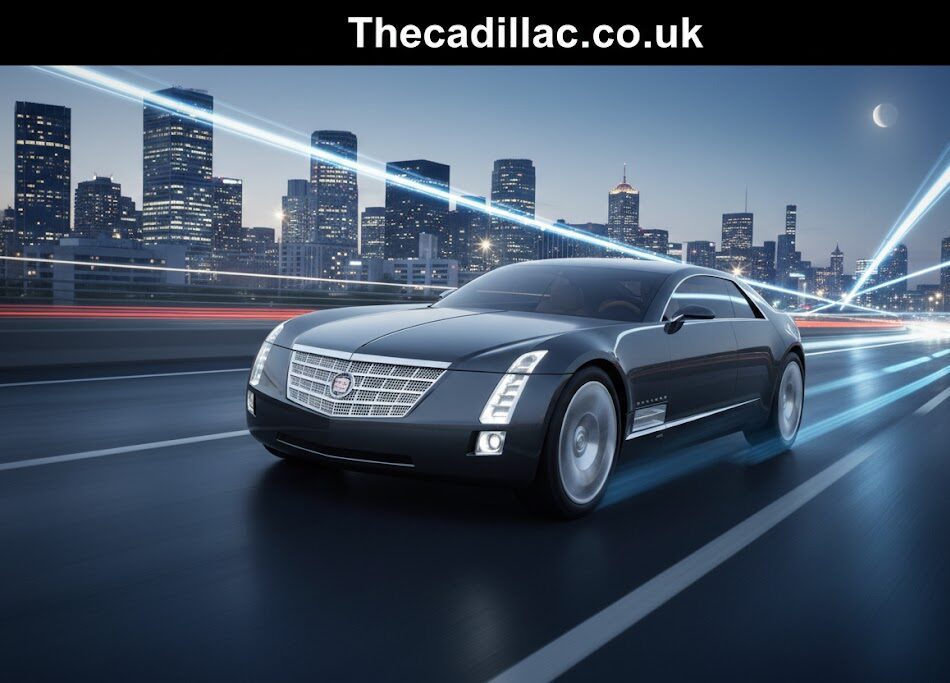
Yes, Cadillac is an American luxury automobile brand founded in 1902 and currently owned by General Motors. The company’s headquarters, heritage, and major design influence remain rooted in the United States, even though some production and global sales operations extend to other countries. Cadillac continues to represent American automotive luxury, innovation, and performance in the modern international market.
Cadillac has long symbolized American luxury, engineering confidence, and cultural prestige. Established in the early twentieth century and now operating under General Motors, the brand reflects the evolution of the United States automotive industry from handcrafted elegance to advanced electric mobility. While global manufacturing and international markets influence modern operations, Cadillac’s identity, design philosophy, and leadership remain deeply American. This article explores its origins, ownership, production locations, cultural significance, and future direction to clearly answer whether Cadillac should still be considered an American brand today.
Origins of Cadillac and the Early Foundations of American Automotive Excellence
The story of Cadillac begins in Detroit during a period when the American automobile industry was still forming its identity. Founded in 1902, the brand quickly earned recognition for precision engineering, reliability, and refined craftsmanship that distinguished it from competitors. Early innovations such as standardized interchangeable parts helped establish trust among consumers and positioned Cadillac as a technological leader. These achievements reflected broader industrial progress happening across the United States, where manufacturing ambition and engineering creativity were reshaping transportation and economic growth.
How Cadillac Became Part of General Motors and Strengthened Its National Identity
In 1909, Cadillac was acquired by General Motors, a move that integrated the luxury brand into one of America’s most influential automotive corporations. This acquisition provided financial stability, engineering resources, and global distribution capabilities that allowed Cadillac to expand rapidly. Despite corporate integration, the brand maintained a distinct luxury identity centered on innovation and prestige. Being part of a major American manufacturer reinforced Cadillac’s national character while enabling technological development that would shape luxury vehicle standards for decades.
Manufacturing Heritage and the Role of Detroit in Shaping Brand Authenticity
Detroit has historically served as the symbolic and operational heart of Cadillac’s development, linking the brand directly to America’s industrial heritage. Factories, design studios, and engineering centers in Michigan contributed to vehicles that defined luxury for generations of drivers. Even as modern production expanded globally, Detroit remained central to design leadership and strategic planning. This connection preserves authenticity and ensures that craftsmanship, performance expectations, and styling philosophy continue to reflect American automotive traditions rather than purely international influences.
Understanding Global Production Without Losing American Brand Identity
Modern automobile manufacturing often spans multiple countries, and Cadillac is no exception. Some models are assembled outside the United States to serve regional markets efficiently and reduce logistical costs. However, global production does not automatically change national identity. Brand leadership, engineering direction, and historical roots still originate in America, which sustains the perception of Cadillac as fundamentally American. Many iconic companies operate internationally while preserving their founding cultural identity, and Cadillac follows this same pattern in today’s interconnected economy.
Design Philosophy and Cultural Symbolism in American Luxury Vehicles
Cadillac’s styling has long reflected bold proportions, confident lines, and expressive detailing associated with American design culture. From dramatic tailfins of the mid-twentieth century to modern minimalist lighting signatures, the brand consistently communicates presence and prestige. These visual cues mirror broader cultural themes such as optimism, scale, and technological progress. Because design leadership remains tied to American creative direction, Cadillac continues to embody national artistic influence even when vehicles are sold or produced in global markets.
Technological Innovation and Engineering Leadership Across Generations
Throughout its history, Cadillac introduced engineering advancements that shaped the entire automotive industry. Precision manufacturing, electric starting systems, and advanced safety technologies demonstrated a commitment to progress rather than tradition alone. In recent decades, digital connectivity, driver-assistance systems, and electric propulsion research have defined the brand’s modern engineering priorities. These innovations reinforce Cadillac’s reputation as a forward-thinking American luxury manufacturer rather than a purely heritage-driven company focused only on past achievements.
Also read this: Cadillac XT5 Sales Q2 2025 Growth Trends Market Insights Analysis
Market Presence in the United States Compared With International Expansion
Domestic sales within America remain central to Cadillac’s business strategy, reflecting strong historical loyalty and cultural familiarity. At the same time, international markets such as China and parts of Europe contribute significantly to overall growth. Balancing domestic heritage with global demand allows the brand to remain competitive in a rapidly changing luxury segment. Even with expanding overseas influence, leadership decisions and brand storytelling continue to originate from the United States, sustaining its national association.
Cultural Impact of Cadillac on Music, Film, and Popular Imagination
Cadillac vehicles have appeared frequently in American music, cinema, and storytelling as symbols of success, freedom, and personal achievement. Artists and filmmakers often use the brand to represent aspiration or social mobility, reinforcing its emotional connection with American culture. This recurring presence in creative expression strengthens public perception that Cadillac belongs to the national narrative. Cultural symbolism can sometimes define identity more strongly than manufacturing location, and Cadillac’s influence across entertainment confirms its enduring American image.
Transition Toward Electric Mobility and the Future of American Luxury Engineering
The automotive industry is shifting rapidly toward electrification, and Cadillac has committed to an electric-focused future. New battery-powered models emphasize sustainability, advanced software integration, and quiet performance while maintaining luxury craftsmanship. This transformation reflects broader technological leadership within the American automotive sector. By investing heavily in electric innovation, Cadillac aims to redefine modern luxury while preserving historical prestige, ensuring continued relevance in a competitive global marketplace shaped by environmental priorities and digital mobility trends.
Brand Leadership, Headquarters Influence, and Strategic Decision Making
Corporate headquarters and executive leadership play a crucial role in determining whether a company maintains national identity. Cadillac’s strategic planning, marketing direction, and long-term innovation initiatives are guided primarily from the United States. Decision-making authority influences brand culture, partnerships, and technological investment. Because these leadership structures remain American, the brand’s philosophical foundation continues to reflect national priorities even when operational activities extend across continents and international supply chains.
Comparing Cadillac With Other Global Luxury Automotive Manufacturers
Many luxury car manufacturers operate across borders, blending multinational production with localized branding. Compared with European or Asian competitors, Cadillac maintains a uniquely American heritage tied to scale, comfort, and expressive styling. This distinction helps the brand stand apart in a crowded luxury marketplace. While globalization has blurred national boundaries in manufacturing, historical origin and cultural storytelling still differentiate brands. Cadillac’s narrative remains closely aligned with American industrial confidence and technological ambition.
Consumer Perception and Why National Identity Still Matters Today
Buyers often associate luxury vehicles with the country where the brand originated, shaping expectations around quality, performance, and design. For Cadillac, American identity conveys spacious comfort, powerful engineering, and bold aesthetics. These perceptions influence purchasing decisions even in international markets. National branding therefore remains commercially valuable, demonstrating why heritage continues to matter despite globalization. Cadillac benefits from this perception by combining historical credibility with modern innovation to appeal to both traditional and emerging luxury consumers.
Challenges of Global Competition in the Modern Premium Vehicle Segment
The global luxury automotive segment is highly competitive, with rapid technological change and evolving consumer expectations. Cadillac must balance heritage preservation with innovation to remain relevant. Investments in electric platforms, digital ecosystems, and autonomous features reflect this strategic pressure. Competing internationally requires adaptability without sacrificing identity. Successfully navigating these challenges will determine how strongly Cadillac retains its American character while expanding influence in worldwide luxury transportation markets.
Long-Term Brand Vision and the Preservation of Heritage in a Changing Industry
Looking ahead, Cadillac’s long-term vision focuses on sustainable mobility, advanced connectivity, and refined luxury experiences. Preserving heritage while embracing transformation is central to this strategy. Historical credibility provides emotional value, while innovation ensures competitiveness. By integrating both elements, Cadillac aims to remain a defining symbol of American luxury for future generations. This balance between tradition and progress ultimately shapes whether the brand continues to be recognized as authentically American in decades to come.
Conclusion: Final Perspective on National Identity, Ownership, and Cultural Meaning
Understanding is cadillac american requires examining history, ownership, manufacturing, culture, and leadership together rather than separately. Evidence across these dimensions shows that the brand’s origins, corporate control, creative direction, and symbolic meaning remain deeply connected to the United States. Global production and international markets reflect modern business realities but do not erase heritage. Cadillac therefore continues to stand as an American luxury icon whose identity blends historical pride with forward-looking innovation in today’s interconnected automotive world.
FAQs
Is Cadillac considered an American company today?
Yes, Cadillac is still regarded as an American luxury automobile brand because its headquarters, ownership, and heritage remain rooted in the United States.
Who owns Cadillac now?
Cadillac is owned by General Motors, one of the largest automobile manufacturers headquartered in America.
Are Cadillac cars made only in the United States?
Some models are produced internationally for regional markets, but core engineering, branding, and leadership remain American.
Why is Cadillac associated with luxury?
Decades of innovation, premium design, and cultural symbolism established Cadillac as a leading luxury automotive name.
Does global manufacturing change a brand’s nationality?
Not necessarily, because heritage, ownership, and leadership usually define national identity more than factory location.
Is Cadillac moving toward electric vehicles?
Yes, the brand is investing heavily in electric mobility and future-focused automotive technology.
Will Cadillac remain an American symbol in the future?
If it preserves heritage while innovating successfully, Cadillac is likely to continue representing American luxury worldwide.
Fore more info: thecadillac.co.uk
