
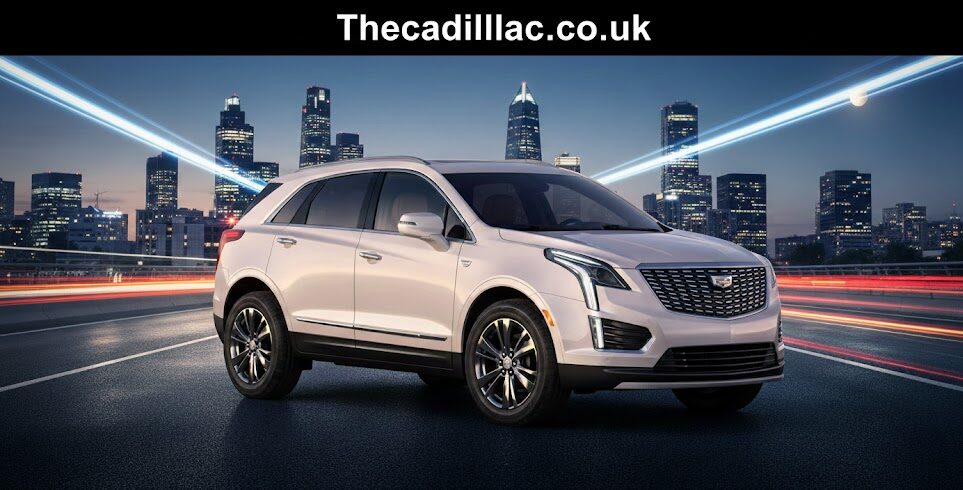
Cadillac XT5 sales in Q2 2025 reflect shifting luxury SUV demand, influenced by pricing strategy, inventory balance, and evolving consumer preferences toward technology-focused comfort vehicles. Moderate year-over-year movement suggests the model remains relevant in midsize luxury competition while facing pressure from electrified alternatives and refreshed rivals. Overall performance indicates steady brand loyalty rather than dramatic expansion.
The second-quarter performance of this midsize luxury crossover reveals important insights about brand positioning, consumer behavior, and competitive pressure in the premium SUV market. Sales movement highlights how traditional gasoline luxury vehicles continue attracting buyers seeking comfort, reliability, and recognizable design. At the same time, growing electrification trends and updated competitors reshape expectations. Understanding these dynamics helps readers interpret market direction, future strategy, and potential product evolution. This article explores performance drivers, regional demand, pricing influence, technology appeal, and long-term outlook in a clear, engaging way that connects data with real-world automotive trends.
Strong Market Context Explaining Luxury SUV Demand During the Second Quarter
Luxury midsize crossovers continue representing one of the most competitive automotive segments worldwide. Buyers increasingly prioritize comfort, advanced driver assistance, and refined interior quality over raw performance metrics. Within this landscape, cadillac xt5 sales q2 2025 illustrate how established nameplates maintain relevance despite rapid technological disruption. Economic stability, financing availability, and dealership inventory also shape quarterly outcomes. When these factors align, legacy luxury brands preserve steady momentum even as electrified newcomers capture media attention and reshape long-term expectations across premium vehicle categories.
Brand Heritage Influence on Consumer Confidence and Purchasing Decisions
The reputation of Cadillac plays a meaningful role in sustaining showroom interest across North America and select global markets. Decades of association with comfort, prestige, and recognizable styling create emotional familiarity that newer competitors must work harder to establish. Buyers considering a refined family vehicle often value trust and service network reliability alongside modern features. This heritage advantage does not guarantee rapid growth, yet it supports consistent quarterly stability that protects the model from sharper declines during uncertain economic cycles or shifting consumer sentiment.
Competitive Pressure From Electrified and Recently Refreshed Rival Models
Luxury manufacturers rapidly introduce hybrid and fully electric crossovers designed to meet regulatory goals and sustainability expectations. These alternatives increasingly influence comparison shopping behavior, even among customers who ultimately choose gasoline powertrains. Rivals with updated infotainment systems, longer warranty coverage, or aggressive lease pricing create measurable pressure on quarterly totals. Even so, cadillac xt5 sales q2 2025 demonstrate resilience by appealing to drivers who prioritize proven engineering, smooth ride quality, and straightforward ownership experience rather than early adoption of emerging propulsion technologies.
Pricing Strategy, Incentives, and Dealer Inventory Balance Shaping Outcomes
Quarterly automotive performance rarely depends on product appeal alone. Manufacturer incentives, regional discounts, and financing rates directly affect purchase timing. When inventory levels align with seasonal demand, dealerships convert interest into completed transactions more efficiently. Conversely, oversupply or limited trim availability can suppress results even when consumer awareness remains strong. The second-quarter environment shows how careful coordination between production planning and retail strategy helps stabilize movement, preventing extreme fluctuations that might otherwise distort perceptions of overall market relevance.
Interior Technology Expectations Driving Modern Luxury Buyer Behavior
Today’s premium SUV shoppers evaluate digital experience as closely as mechanical refinement. Large touchscreens, seamless smartphone integration, and intuitive voice control strongly influence satisfaction during test drives. Continuous software improvement has become an essential competitive requirement rather than an optional upgrade. Vehicles that deliver comfortable seating alongside responsive infotainment systems create a balanced ownership appeal. This evolving expectation explains why steady quarterly demand persists even without dramatic redesign, provided the in-cabin experience remains contemporary and aligned with everyday usability preferences.
Regional Demand Differences Revealing Broader Automotive Consumption Patterns
Sales distribution across metropolitan, suburban, and emerging markets reveals meaningful behavioral contrasts. Urban buyers often emphasize maneuverability and technology integration, while suburban households prioritize passenger space and long-distance comfort. Economic growth rates and fuel pricing further shape regional purchasing confidence. Observing cadillac xt5 sales q2 2025 through this geographic lens clarifies why certain territories outperform others despite identical national marketing. These localized variations provide valuable insight into how luxury mobility needs evolve alongside demographic and infrastructure changes.
Also read this: “Brotherton Cadillac NW: Luxury Cars & Top Dealership in Shoreline”
Manufacturing Efficiency and Supply Chain Stability Supporting Availability
Automotive production depends on synchronized logistics involving semiconductors, raw materials, and transportation networks. Disruptions in any stage can reduce dealership supply and delay customer deliveries. Stable manufacturing conditions during the second quarter contribute to predictable retail flow and improved consumer satisfaction. Consistent availability ensures marketing efforts translate into real transactions rather than postponed intent. This operational reliability often remains invisible to shoppers, yet it significantly influences quarterly statistics and long-term brand perception within competitive luxury segments.
Marketing Messaging and Digital Engagement Influencing Buyer Awareness
Modern vehicle discovery increasingly begins online through comparison tools, video reviews, and social media impressions. Clear messaging that communicates comfort, safety innovation, and ownership value helps convert digital curiosity into showroom visits. Emotional storytelling combined with transparent feature explanation resonates strongly with contemporary audiences. Effective campaigns during the quarter reinforce familiarity while reaching new demographics exploring premium mobility for the first time. Such engagement strategies subtly support steady performance even without headline-grabbing product announcements or dramatic redesign cycles.
Role of Parent Company Strategy in Long-Term Product Positioning
Corporate direction from General Motors shapes investment priorities, electrification timelines, and global distribution planning. Decisions regarding platform evolution or future propulsion systems indirectly influence present-day consumer confidence. When shoppers believe a model remains supported within broader transformation strategy, hesitation decreases. This strategic reassurance contributes to stable quarterly demand patterns. Long-term clarity about technology transition allows traditional vehicles to maintain relevance while the manufacturer gradually expands next-generation mobility solutions across its portfolio.
Consumer Loyalty, Ownership Satisfaction, and Repeat Purchase Behavior
Repeat customers provide a dependable foundation for consistent quarterly volume. Positive experiences with reliability, dealership service, and comfort encourage households to remain within the same brand ecosystem when upgrading vehicles. Word-of-mouth recommendations further amplify this loyalty effect. Even modest improvements in satisfaction metrics can translate into measurable retail stability. This behavioral continuity explains why established luxury crossovers often sustain steady demand despite intense competition and rapidly shifting technological narratives dominating automotive media coverage.
Economic Indicators and Financing Conditions Affecting Purchase Timing
Interest rates, employment confidence, and household income expectations strongly influence discretionary spending decisions such as luxury vehicle acquisition. Favorable financing conditions reduce perceived risk and encourage earlier purchasing. Conversely, uncertainty prompts delay rather than outright rejection. Observing quarterly results alongside macroeconomic indicators helps contextualize movement without attributing change solely to product attributes. Understanding this relationship provides a clearer picture of how broader financial climate interacts with brand strength and consumer aspiration within premium automotive markets.
Future Outlook Considering Electrification, Design Evolution, and Strategy
Looking ahead, gradual integration of electrified powertrains and refreshed styling will likely redefine competitive balance. Consumer curiosity about sustainability continues expanding, yet comfort-focused gasoline models retain meaningful relevance during transition years. Strategic updates that preserve familiar ride quality while introducing efficiency improvements may extend lifecycle appeal. Monitoring future quarterly performance will reveal how effectively traditional luxury positioning adapts to technological transformation without alienating loyal customers who value proven refinement over rapid experimentation.
Conclusion Summarizing Key Insights From Second-Quarter Performance Trends
Overall interpretation of cadillac xt5 sales q2 2025 highlights stability rather than dramatic acceleration or decline. Brand heritage, balanced pricing, dependable manufacturing, and loyal ownership collectively sustain relevance in a crowded luxury SUV environment. Competitive pressure from electrified rivals introduces long-term uncertainty, yet current demand demonstrates enduring appreciation for comfort-centered design and trustworthy engineering. This combination suggests a transitional phase where traditional refinement and emerging innovation coexist, shaping the next chapter of premium automotive evolution.
FAQs
What does the second-quarter performance indicate about market demand?
It suggests steady consumer interest supported by loyalty, balanced pricing, and consistent availability rather than rapid growth.
How do electrified competitors influence quarterly results?
They shape comparison shopping and long-term expectations, even when buyers ultimately choose conventional powertrains.
Why is brand heritage important in luxury vehicle sales?
Familiar reputation builds trust, encouraging repeat purchases and confidence in ownership experience.
Do economic conditions significantly affect luxury SUV purchases?
Yes, financing rates and income confidence directly influence when consumers decide to buy.
How important is in-car technology for modern buyers?
Digital usability and connectivity now rank alongside comfort and safety in purchase decisions.
What role does manufacturing stability play in quarterly outcomes?
Reliable supply ensures customer interest converts into completed sales without delivery delays.
What is the long-term outlook for this midsize luxury crossover segment?
Gradual electrification and design updates will shape future competitiveness while traditional comfort remains valued.
Fore more info: Thecadillac.co.uk
