
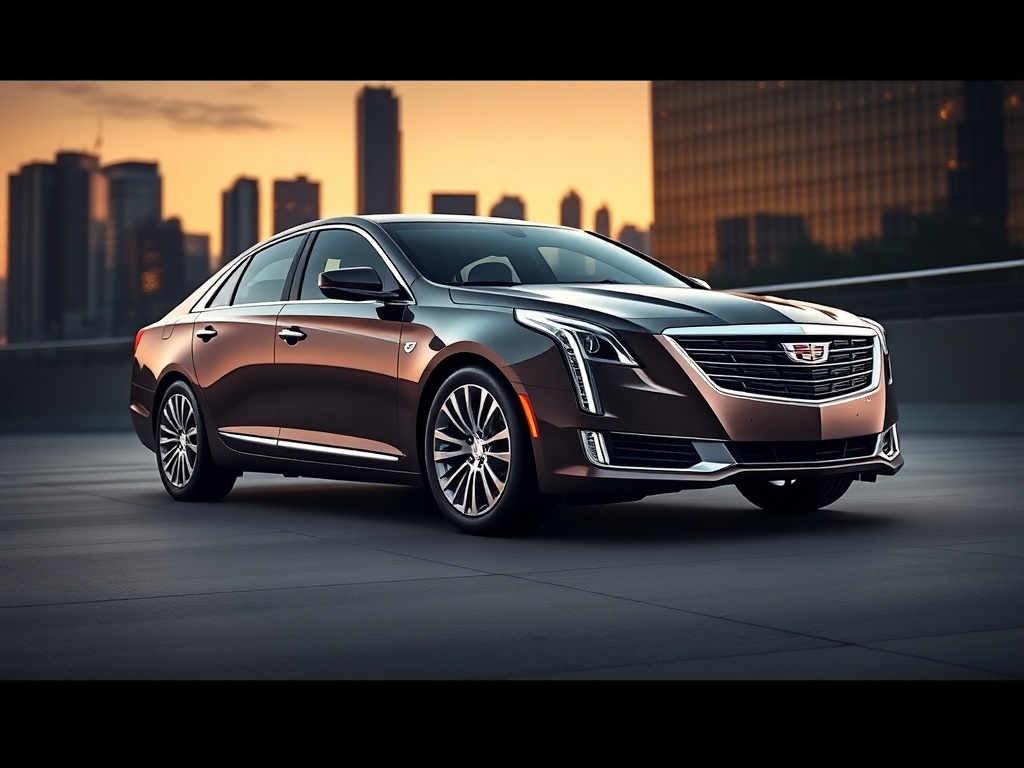
The GM Cadillac XTS is a full-size luxury sedan produced by General Motors from 2013 to 2019. Known for its spacious interior, smooth ride quality, advanced safety features, and optional twin-turbo V6 engine, it was designed to deliver premium comfort with modern technology. It replaced both the DTS and STS models, offering front-wheel drive and all-wheel drive configurations.
The GM Cadillac XTS represents a pivotal chapter in Cadillac’s modern history. It was introduced during a time when luxury buyers demanded more technology, greater efficiency, and refined comfort without sacrificing performance. This article explores everything you need to know about the GM Cadillac XTS, including its engineering philosophy, powertrain options, safety systems, interior craftsmanship, reliability record, ownership costs, and resale value.
You will discover how it compares with German rivals, why it became popular among executive fleets and livery services, and whether it remains a smart used-car investment today. If you are considering purchasing one or simply want a deeper understanding of its legacy, this comprehensive guide delivers unmatched insight.
Introduction
Luxury sedans once defined automotive prestige, and the GM Cadillac XTS arrived with a mission to restore American elegance in a competitive market. Built to replace aging Cadillac models, it combined spacious comfort, advanced technology, and smooth performance into one refined package. Buyers searching for premium features without European pricing quickly noticed its value. Today, the GM Cadillac XTS remains a compelling option in the used luxury segment, offering sophistication and practicality. Understanding its strengths, weaknesses, and real-world ownership experience can help you decide whether this understated executive sedan deserves a place in your garage.
The Strategic Vision Behind the GM Cadillac XTS
When General Motors introduced the GM Cadillac XTS in 2013, it aimed to bridge traditional American luxury with modern global standards. The model replaced both the DTS and STS, simplifying Cadillac’s lineup while targeting buyers who valued space and smoothness over aggressive sport dynamics. Built on GM’s Epsilon II platform, it prioritized ride comfort, interior volume, and advanced safety technologies.
Cadillac engineers designed the XTS to appeal particularly to North American and Chinese markets, where rear-seat space and comfort held strong importance. Unlike many competitors that focused heavily on sporty handling, the GM Cadillac XTS emphasized serenity. This strategic positioning distinguished it from German rivals and reinforced Cadillac’s reputation for delivering plush, road-absorbing comfort in a contemporary form.
Engine Options and Performance Capabilities
The GM Cadillac XTS came equipped with a standard 3.6-liter V6 engine producing 304 horsepower, paired with a smooth six-speed automatic transmission. This setup delivered confident acceleration while maintaining respectable fuel efficiency for a full-size luxury sedan. For drivers seeking more excitement, Cadillac offered a twin-turbocharged version generating 410 horsepower in the Vsport trim.
The twin-turbo variant transformed the XTS from a relaxed cruiser into a surprisingly capable performer. It delivered strong mid-range torque and impressive highway passing power. All-wheel drive availability enhanced traction in colder climates, making the GM Cadillac XTS a practical choice for drivers facing seasonal weather challenges. Performance was refined rather than aggressive, staying true to its luxury-first philosophy.
Ride Quality and Magnetic Ride Control
One of the standout features of the GM Cadillac XTS was its available Magnetic Ride Control suspension system. This advanced technology used magnetorheological dampers to adjust suspension firmness in milliseconds. The result was a ride that adapted instantly to road conditions, balancing comfort with composure.
Drivers frequently praised the XTS for its smooth highway behavior and minimal cabin disturbance over rough pavement. While it did not match the sporty sharpness of some European competitors, it excelled at delivering a tranquil driving experience. For long-distance commuters or executive travelers, the GM Cadillac XTS offered an impressively cushioned and stable ride that reduced fatigue during extended journeys.
Interior Craftsmanship and Cabin Experience
Step inside the GM Cadillac XTS and you encounter a spacious, quiet cabin designed with premium materials. Soft-touch surfaces, available leather upholstery, genuine wood trim, and customizable ambient lighting created a refined atmosphere. Cadillac’s focus on acoustic insulation significantly reduced road and wind noise.
Rear-seat passengers benefited from generous legroom, making the XTS a favorite among chauffeured services and executive fleets. Heated and ventilated seats, multi-zone climate control, and power-adjustable seating enhanced comfort. The GM Cadillac XTS delivered a classic luxury sedan experience, prioritizing relaxation and space over minimalistic design trends dominating newer models.
Technology and Infotainment Features
The GM Cadillac XTS featured the Cadillac User Experience system, commonly known as CUE. This infotainment platform integrated touchscreen controls, smartphone connectivity, navigation, and voice recognition. While early versions faced criticism for touch-sensitive controls, later updates improved responsiveness and usability.
Beyond infotainment, the XTS included digital instrument displays and head-up display options. Wireless charging and premium Bose audio systems enhanced convenience and entertainment value. The GM Cadillac XTS demonstrated Cadillac’s commitment to integrating technology without overwhelming the driver, blending digital innovation with traditional luxury design cues.
Also read this: Cadillac XT5 Next-Generation 2027: Luxury SUV Redefined for Future Drivers
Safety Innovations and Driver Assistance Systems
Safety was a core focus during the development of the GM Cadillac XTS. It offered advanced features such as forward collision alert, lane departure warning, blind-spot monitoring, adaptive cruise control, and automatic emergency braking. These technologies positioned it competitively within the luxury segment at launch.
The XTS consistently earned strong crash-test ratings, reinforcing buyer confidence. Cadillac’s Safety Alert Seat, which vibrated to warn drivers of potential hazards, added an innovative tactile feedback system. For families and business professionals alike, the GM Cadillac XTS provided comprehensive protection supported by cutting-edge driver assistance technologies.
Comparison with European Competitors
When compared to rivals like the BMW 5 Series and the Mercedes-Benz E-Class, the GM Cadillac XTS offered a distinct personality. German competitors emphasized athletic handling and rear-wheel-drive dynamics. In contrast, the XTS leaned toward comfort, spaciousness, and affordability.
While the German models often commanded higher base prices and maintenance costs, the XTS delivered similar technology and comfort features at a more accessible price point. Buyers who valued a softer ride and lower ownership expenses frequently preferred the Cadillac. This difference in philosophy defined the XTS’s unique place within the luxury sedan landscape.
Reliability and Long-Term Ownership
Reliability plays a critical role in used luxury purchases, and the GM Cadillac XTS demonstrated generally solid dependability. The 3.6-liter V6 engine had been widely used across GM vehicles, contributing to parts availability and service familiarity. Routine maintenance costs remained reasonable compared to European rivals.
Some owners reported occasional electronic glitches related to the CUE system, particularly in early production years. However, mechanical failures were relatively uncommon when vehicles received proper care. The GM Cadillac XTS offered a reassuring ownership experience for buyers seeking luxury without excessive repair anxiety.
Fuel Economy and Operating Costs
Despite its size and power, the GM Cadillac XTS delivered competitive fuel economy for its class. Front-wheel-drive models achieved approximately 19 miles per gallon in city driving and 28 miles per gallon on highways. All-wheel-drive versions experienced slightly lower efficiency.
Insurance costs were moderate for a luxury vehicle, and maintenance expenses typically undercut European competitors. Depreciation worked in favor of used buyers, as the XTS lost value more quickly than some rivals. This depreciation created attractive purchase prices, making the GM Cadillac XTS a compelling option in the pre-owned market.
Trim Levels and Feature Variations
Throughout its production cycle, the GM Cadillac XTS was offered in multiple trims including Base, Luxury, Premium Luxury, Platinum, and Vsport. Each trim introduced progressively enhanced features such as upgraded leather, advanced safety systems, and improved audio options.
The Platinum trim represented the pinnacle of refinement with upgraded materials and additional comfort features. Meanwhile, the Vsport trim catered to drivers seeking performance without sacrificing luxury. Understanding trim distinctions helps buyers identify the version that best aligns with their priorities when shopping for a GM Cadillac XTS today.
Fleet Popularity and Livery Use
A notable aspect of the GM Cadillac XTS was its popularity among limousine and livery services. Its spacious rear seat, smooth ride, and dignified styling made it ideal for professional transportation. Cadillac even offered extended-wheelbase versions tailored specifically for chauffeured markets.
This widespread fleet adoption strengthened its reputation for comfort and durability. However, used buyers should verify service history carefully when purchasing former fleet vehicles. The GM Cadillac XTS proved capable of handling high-mileage use while maintaining passenger comfort standards expected in executive transport.
Design Philosophy and Exterior Styling
The exterior design of the GM Cadillac XTS reflected Cadillac’s Art and Science styling language. Sharp character lines, bold grille design, and vertical LED lighting created a distinctive road presence. The sedan projected authority without appearing overly aggressive.
While some critics described the design as conservative, many buyers appreciated its understated elegance. Unlike trend-driven designs that age quickly, the XTS maintained a timeless aesthetic. This balanced styling continues to appeal to drivers who prefer refined sophistication over flashy design trends in luxury vehicles.
Depreciation and Resale Value Insights
Depreciation significantly impacts luxury vehicle ownership. The GM Cadillac XTS experienced substantial early depreciation, which benefits second and third owners. Buyers can now find well-equipped models at prices comparable to mainstream midsize sedans.
Resale value stability improves once initial depreciation levels off. As production ended in 2019, supply is finite, which may help stabilize prices long term. For value-focused shoppers, the GM Cadillac XTS offers high-end comfort at a fraction of its original MSRP, representing one of the stronger bargains in the used luxury segment.
Is the GM Cadillac XTS a Smart Buy Today?
For buyers prioritizing comfort, interior space, and affordable luxury, the GM Cadillac XTS remains a compelling choice. It may not deliver sports-sedan excitement, yet it excels in providing a calm, refined driving environment with advanced safety features.
When properly maintained, it offers reliability that surpasses many European alternatives. Depreciation makes ownership accessible, and parts availability remains strong. The GM Cadillac XTS stands as a reminder that luxury does not always require flashy branding or sky-high pricing to deliver genuine satisfaction.
FAQs About GM Cadillac XTS
Is the GM Cadillac XTS reliable?
Yes, the GM Cadillac XTS is generally considered reliable, particularly models equipped with the naturally aspirated 3.6-liter V6 engine. Routine maintenance is essential, but major mechanical issues are uncommon. Early infotainment system glitches were reported, though updates improved performance. Overall, it provides dependable luxury ownership compared to many European competitors.
What years was the GM Cadillac XTS produced?
The GM Cadillac XTS was produced from 2013 through 2019. It replaced the DTS and STS models in Cadillac’s lineup. Production ended as Cadillac shifted focus toward SUVs and rear-wheel-drive platforms. Despite its discontinuation, it remains widely available in the used market.
Does the GM Cadillac XTS have all-wheel drive?
Yes, the GM Cadillac XTS offered optional all-wheel drive on select trims. All-wheel drive enhances traction during rain or snow, making it a practical choice for drivers in colder climates. Front-wheel drive remained standard on many models.
How powerful is the GM Cadillac XTS Vsport?
The GM Cadillac XTS Vsport features a twin-turbocharged 3.6-liter V6 engine producing 410 horsepower. This significantly increases acceleration and highway performance compared to the standard engine. It delivers strong mid-range torque while maintaining the sedan’s comfortable ride characteristics.
Is the GM Cadillac XTS expensive to maintain?
Maintenance costs for the GM Cadillac XTS are generally lower than those of comparable German luxury sedans. Parts availability through General Motors helps control repair expenses. Routine servicing and preventative maintenance keep ownership costs manageable over time.
Why was the GM Cadillac XTS discontinued?
The GM Cadillac XTS was discontinued in 2019 as Cadillac shifted its focus toward SUVs and newer rear-wheel-drive architectures. Market demand for large sedans declined significantly. Consumer preference moved toward crossovers and electric vehicle development.
Is the GM Cadillac XTS good for long drives?
Yes, the GM Cadillac XTS excels at long-distance comfort. Its spacious interior, smooth suspension, supportive seating, and quiet cabin reduce fatigue during extended trips.
Fore more info: Thecadillac.co.uk
