
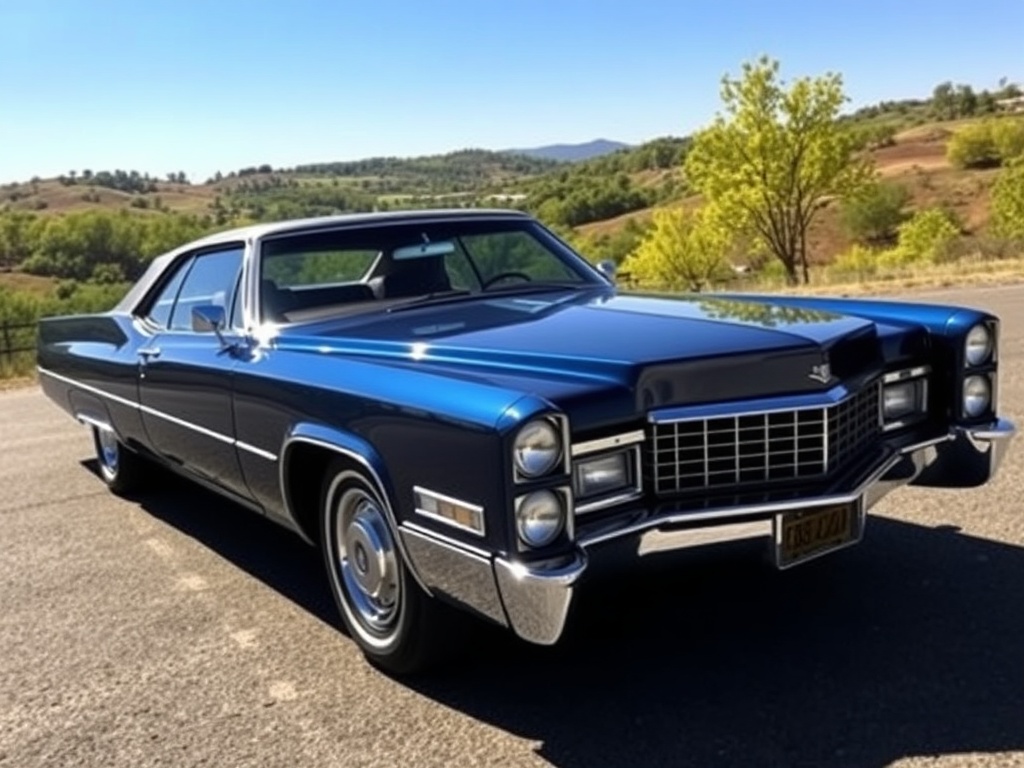
The 1969 Cadillac is a full-size American luxury car known for its bold styling, powerful V8 engine, and smooth ride quality. Featuring redesigned body lines, improved safety features, and enhanced interior comfort, it became one of the most recognizable classic Cadillacs. Today, it remains highly valued by collectors for its elegance, performance, and timeless road presence.
The 1969 Cadillac represents the peak of classic American automotive luxury. With its dramatic body redesign, signature tail lamps, and powerful 472 cubic-inch V8 engine, it captured the spirit of late-1960s innovation and prestige. Buyers enjoyed exceptional interior comfort, advanced safety upgrades, and impressive highway performance.
Beyond its technical appeal, this vehicle symbolizes status and craftsmanship from a golden era of Detroit manufacturing. Whether you are a collector, enthusiast, or curious buyer, understanding its history, features, and market value helps you appreciate why it continues to dominate classic car conversations today.
The Cultural Significance and Timeless Appeal of 1969 Cadillac
The 1969 Cadillac stands as a symbol of American prosperity and bold automotive design. During the late 1960s, Cadillac represented success, luxury, and social status across the United States. The 1969 model reflected changing design trends with sharper body lines and a wider stance. It balanced elegance with muscle, offering buyers both visual impact and road authority. Even today, collectors admire its presence at car shows and auctions. Its reputation continues to grow as enthusiasts recognize its historical importance in automotive evolution.
Exterior Redesign That Defined a New Era of American Luxury Styling
The 1969 redesign introduced a longer, sleeker profile that separated it from earlier models. The sharp fender lines, vertical headlamps, and refined grille created a more modern appearance. The elimination of excessive tail fins marked a shift toward sophistication rather than flamboyance. Chrome accents were strategically placed to enhance prestige without overwhelming the design. The overall body proportions gave the vehicle a commanding road presence. This exterior transformation helped position Cadillac ahead of many competitors in luxury automotive styling.
Engine Performance and Power Delivery of the Massive 472 V8
Under the hood, drivers found the powerful 472 cubic-inch V8 engine. This engine delivered approximately 375 horsepower and impressive torque, ensuring effortless acceleration. Smooth power delivery made highway cruising exceptionally comfortable. Despite its size, the engine provided reliable performance for long-distance travel. Paired with an automatic transmission, it emphasized refinement rather than aggression. The driving experience was focused on quiet strength and confidence. For many enthusiasts, this engine remains one of Cadillac’s most celebrated mechanical achievements.
Driving Comfort and Suspension Engineering for Smooth Road Experience
Cadillac prioritized ride quality above all else. The suspension system was engineered to absorb road imperfections, offering a floating sensation. Soft coil springs and advanced shock tuning minimized vibration inside the cabin. Steering was light, allowing easy maneuverability despite the vehicle’s substantial size. Braking systems were improved for added safety and control. This smooth driving experience made it ideal for both city cruising and highway journeys. Comfort became the defining characteristic that separated it from sport-focused competitors.
Interior Craftsmanship and Premium Materials Reflecting True Luxury
Inside the cabin, buyers experienced premium upholstery, spacious seating, and elegant trim finishes. Leather and high-quality fabrics enhanced the refined atmosphere. The dashboard layout was clean yet functional, with clear instrumentation. Climate control and advanced sound systems elevated the luxury feel. Attention to detail was visible in stitching and panel alignment. Passengers enjoyed generous legroom and headspace. The interior environment emphasized relaxation, reinforcing Cadillac’s commitment to superior comfort and craftsmanship.
Also read this: 1959 Cadillac for Sale: Ultimate Buyer’s Investment Guide
Safety Innovations and Technological Advancements of the Late 1960s
Safety improvements were increasingly important during this era. The model included upgraded braking systems, energy-absorbing steering columns, and improved lighting visibility. Structural reinforcements enhanced crash protection compared to earlier generations. Indicator systems and dashboard warning lights provided better driver awareness. These advancements reflected industry-wide changes in safety standards. Cadillac’s integration of these features ensured buyers received not only comfort but also reassurance on the road.
Available Body Styles and Trim Variations for Different Buyers
Consumers could choose from multiple body configurations, including Coupe DeVille, Sedan DeVille, and Fleetwood variants. Each trim level offered unique design elements and luxury upgrades. The Coupe featured sleek two-door styling, while the Sedan emphasized practicality. Fleetwood versions provided additional rear passenger comfort. Customization options allowed buyers to select interior materials and exterior finishes. This variety broadened its appeal across different customer preferences and lifestyles.
Market Value Trends and Collector Demand in Modern Classic Car Auctions
Today, market value depends heavily on condition, originality, and maintenance history. Well-preserved models command higher prices in classic car auctions. Restored examples with matching numbers engines are especially desirable. Demand has steadily increased among collectors seeking authentic American luxury classics. Market appreciation reflects nostalgia and historical significance. Buyers often research production details before investing. Understanding valuation trends helps potential owners make informed purchasing decisions.
Common Restoration Challenges and Maintenance Considerations
Restoring such a classic vehicle requires patience and expertise. Parts availability can vary depending on specific trim and production numbers. Engine rebuilds demand experienced mechanics familiar with vintage V8 systems. Electrical components may require upgrades for reliability. Rust prevention and bodywork restoration are common priorities. Owners often invest in proper storage to maintain condition. Careful maintenance ensures longevity and protects long-term investment value.
Fuel Efficiency Expectations and Practical Ownership Realities
Fuel consumption reflects the era’s engineering priorities, which favored power over efficiency. Owners should expect lower miles per gallon compared to modern vehicles. Maintenance costs may also be higher due to specialized parts. However, many enthusiasts accept these realities in exchange for classic charm. Insurance options for classic cars can offset some expenses. Practical ownership involves balancing nostalgia with realistic budgeting expectations.
Comparison with Other Luxury Cars of the Same Era
During the late 1960s, several luxury brands competed in the American market. However, Cadillac distinguished itself through size, comfort, and brand prestige. Competitors often focused on sportier handling or European styling influences. Cadillac maintained its commitment to spacious interiors and smooth performance. Buyers seeking traditional American luxury often favored this model. Its combination of design, engineering, and brand recognition strengthened its market dominance.
Design Influence on Future Cadillac Generations
The styling themes introduced in 1969 influenced subsequent Cadillac models. Sharper lines and restrained tail designs continued into the early 1970s. The emphasis on refined elegance replaced exaggerated fins of earlier decades. Engineering advancements also carried forward into later platforms. Designers learned from consumer feedback and evolving safety regulations. This model became a transitional point between classic flamboyance and modern sophistication.
Buying Guide Tips for First-Time Classic Car Enthusiasts
Prospective buyers should inspect documentation, service records, and authenticity details. Checking for rust in structural areas is crucial. Engine performance tests reveal mechanical condition. Interior originality adds to collector value. Consulting experienced appraisers can prevent costly mistakes. Patience during the search process often leads to better investments. Thorough research enhances buyer confidence and long-term satisfaction.
Emotional Connection and Nostalgia Associated with Vintage Cadillac Ownership
Owning a classic Cadillac offers more than transportation. It represents history, craftsmanship, and cultural heritage. Many enthusiasts associate it with family memories or cinematic appearances. The distinctive engine sound and expansive hood create a unique driving sensation. Community events and classic car shows foster shared passion. This emotional connection contributes significantly to its continued popularity among collectors.
Conclusion: Why 1969 Cadillac Remains a True American Automotive Legend
The 1969 Cadillac embodies the pinnacle of American luxury during a transformative automotive era. Its powerful engine, refined ride quality, elegant design, and cultural prestige combine to create enduring appeal. While ownership requires commitment and maintenance awareness, the reward lies in experiencing authentic classic craftsmanship. Decades later, it continues to captivate collectors and enthusiasts worldwide. Its legacy remains secure as one of the most respected icons in American automotive history.
FAQs (People Also Ask)
What engine came in the 1969 Cadillac?
It featured a 472 cubic-inch V8 engine producing around 375 horsepower and strong torque for smooth cruising.
How much is a 1969 Cadillac worth today?
Value depends on condition and originality, typically ranging from moderate collector prices to higher auction results for pristine examples.
Was the 1969 Cadillac reliable?
For its era, it offered dependable performance, especially when properly maintained and regularly serviced.
What body styles were available?
Buyers could choose from Coupe DeVille, Sedan DeVille, and Fleetwood variants with varying luxury features.
Is it expensive to maintain?
Maintenance can be higher than modern cars due to fuel consumption and vintage parts availability.
Why is it popular among collectors?
Its iconic styling, powerful V8 engine, and historical significance make it a sought-after classic.
Is it suitable as a daily driver today?
While possible, most owners prefer occasional use due to fuel economy and preservation considerations.
Fore more info: Thecadillac.co.uk
